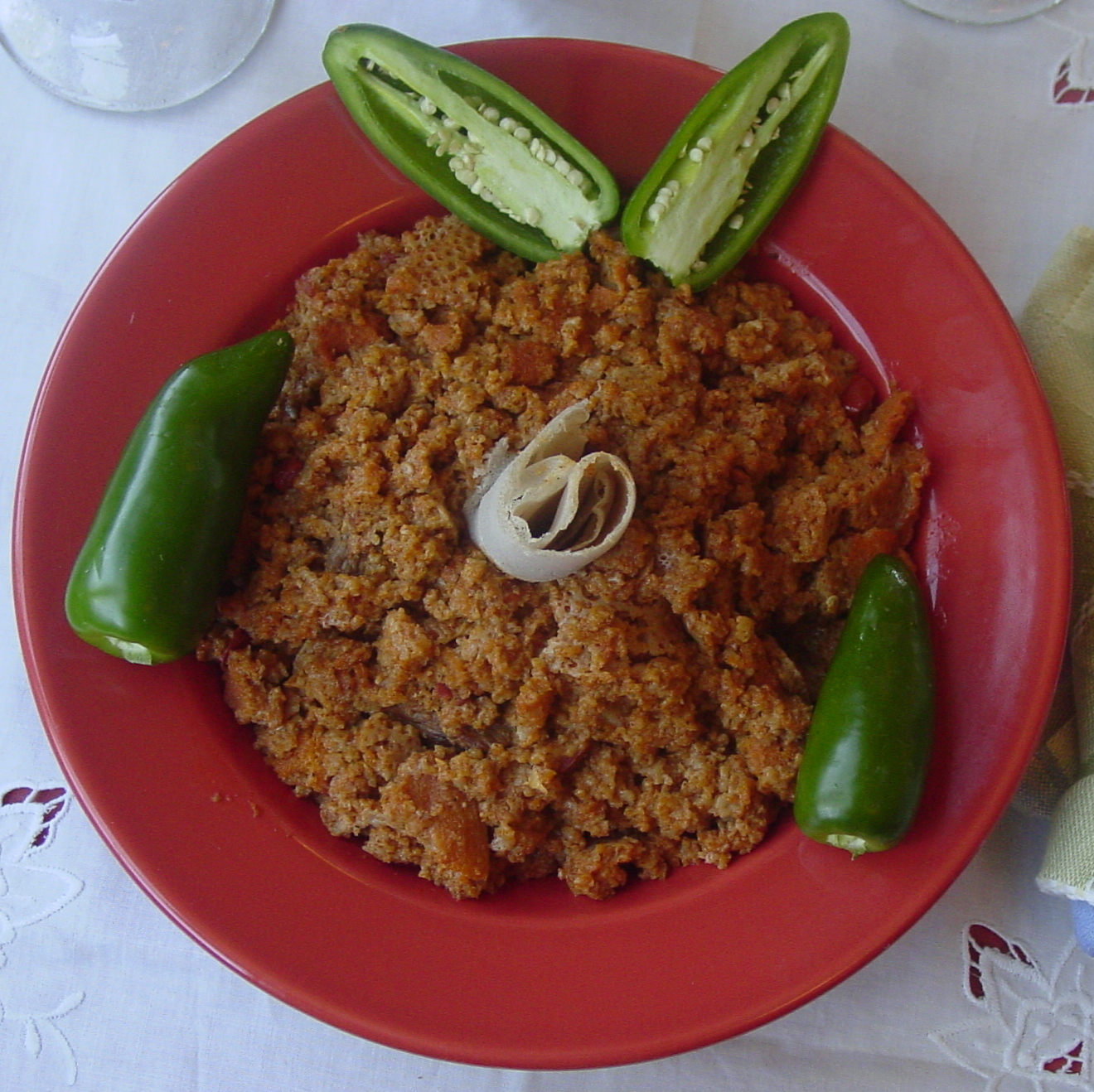
Firfir is what Ethiopia does with yesterday’s injera, and it is so good that people make extra injera on purpose. Torn pieces of the spongy flatbread are folded through a hot, brick-red sauce of onion, berbere, tomato, and spiced butter until they drink it up, turning soft, tangy, and spicy at once. It is the country’s classic breakfast, eaten warm with more injera as the scoop, bread wrapped in bread without apology. Fifteen minutes at the stove, and leftovers become the best meal of the morning.
Breakfast Logic
Every bread culture has its answer to the day-old question, and firfir is Ethiopia’s. Injera ferments before it is cooked, so a day of rest deepens its tang while firming its structure, which makes the older rounds better suited to sauce than the fresh ones. The dish appears on breakfast menus across Ethiopia and in every diaspora restaurant that serves the morning crowd, often under the fuller name yinjera firfir, injera firfir, to distinguish it from versions made with other breads. Fit-fit, a related family of torn-bread dishes, includes cold dressed versions as well; this recipe is the hot sauced classic.
The Sauce Is a Fast Wat
The base of firfir is essentially a quick key wat sauce: dry-cooked minced onion, then niter kibbeh, garlic, and berbere bloomed together, then grated tomato cooked down until the fat glistens at the edges. A short pour of water loosens it into something the bread can absorb. Because the sauce carries the whole dish, do not shortcut the onion stage or use tired berbere. Made with oil instead of the spiced butter, firfir turns fasting-friendly and vegan, and both versions sit on Ethiopian tables depending on the day of the calendar.
Tearing and Folding
Tear the injera by hand into pieces around two bites wide; a knife crushes the sponge. Add them to the simmering sauce all at once and fold gently with a wide spoon, lifting from the bottom, until every piece is coated and the loose sauce disappears into the bread. The target texture keeps the pieces distinct, soft and soaked but recognizable, somewhere between a panzanella and a soft stuffing. Vigorous stirring mashes it toward porridge, which some households actually prefer; the folded version is the standard to learn first.
Toppings and Company
Plain firfir with jalapeno slices on top is complete, and the common upgrades are all worthwhile. A fried egg or two turns it into a full breakfast. A spoon of plain yogurt cools the berbere. Quanta firfir, made by simmering strips of dried spiced beef in the sauce first, is the carnivorous deluxe edition found on many menus. Strong Ethiopian coffee is the traditional drink beside it, and the pairing of spicy bread and bitter coffee explains itself at first sip.
Practical Notes
Firfir is a made-to-order dish; assembled ahead, the bread keeps absorbing until the texture dulls. The sauce, though, holds happily for three days refrigerated, so the efficient move is a jar of sauce in the fridge and a stack of injera in the bread bin, combined in five minutes on any morning. If your injera supply comes from a restaurant or grocery rather than your own pan, this dish is the single best reason to buy a few extra rounds every time.
Buying Injera for Firfir
If you do not make injera at home, the supply chain is friendlier than it looks. Ethiopian restaurants sell rounds to go, Ethiopian and Eritrean groceries stock fresh injera in bags near the register, and some ship regionally. Buy more than one meal needs, since the bread keeps two to three days wrapped in cloth at room temperature and its second day is firfir’s favorite. Rounds that have gone slightly stiff are not a loss; they are the raw material this dish was invented for.
Firfir for a Table
Scaled up, firfir feeds a weekend table with almost no extra work: double the sauce, tear more injera, and fold in batches so the pieces coat evenly. Set out bowls of yogurt, extra jalapeno, and fried eggs and let people build their own plates. With a pot of strong coffee, it is a complete Ethiopian breakfast spread that costs less than a round of pastries and lands much harder. Guests who have never met injera take to firfir fastest of all, since spicy comfort food translates without a dictionary.
Common Questions
Can I make firfir with other bread?
Related dishes exist with other flatbreads, and torn pita or lavash in the same sauce makes a fine meal. It stops being injera firfir, though; the sour sponge of injera is the character of the true dish.
How spicy is it?
Medium as written, with a berbere warmth that morning palates in Ethiopia take for granted. Halve the berbere for a gentler pan, or serve yogurt alongside, which tames it bite by bite.
Is firfir eaten only at breakfast?
Breakfast is its home ground, but it appears at any hour as a light meal, and quanta firfir with dried beef holds its own at lunch. Nobody polices the clock on a dish this comfortable.
Firfir turns yesterday's injera into today's breakfast, torn pieces tossed through a hot berbere sauce until they soak it up, eaten with fresh injera as the utensil.