Gomen is the quiet dish on the Ethiopian platter and the one the meal cannot balance without: collard greens cooked down soft with onion, garlic, and ginger, seasoned gently, and finished with slices of green chili. Next to the heat of misir wat and the richness of doro wat or kitfo, gomen is the cool, mineral counterweight, the place your injera goes between spicier bites. It is vegan when made with oil, cheap year-round, and honest weeknight food on its own with rice.
Mild on Purpose
Ethiopian platters are composed in contrasts, and gomen’s job is relief. Where the wats carry berbere’s fire, gomen carries almost none, just garlic, ginger, and a late jalapeno for freshness. That restraint is a design choice, not a lack of ambition, and it is why the dish appears on virtually every combination platter in every Ethiopian restaurant on earth. Cooks who reflexively add chili powder to everything do well to leave this one alone the first time and taste what the platter gains from a gentle corner.
The Greens
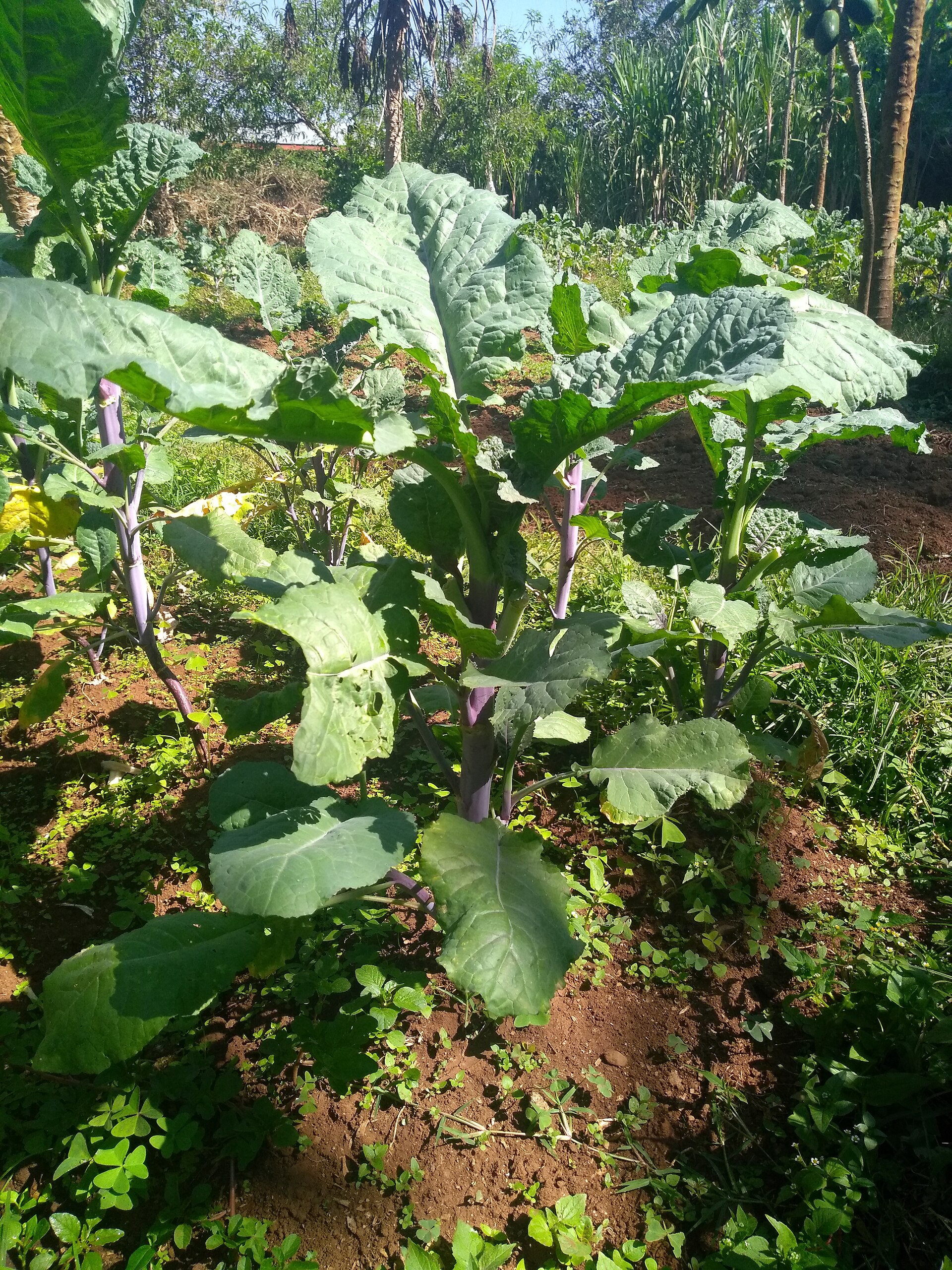
Collard greens are the standard stand-in abroad for the Ethiopian highland greens the dish is built on at home, and they behave nearly identically: sturdy leaves that want real cooking time and repay it with a silky, substantial texture. Wash them in a full sink of water, since collards hold grit, and strip the thick stems completely, because they outlast the leaves by half an hour. Chop the leaves into ribbons a finger wide. Kale substitutes in a pinch with a shorter cook; spinach does not, collapsing to nothing long before the flavors develop.
Building the Base
Gomen opens the Ethiopian way: minced onion in a dry pot, cooked until soft and beginning to color before any fat enters. Oil keeps the dish vegan and fasting-appropriate; niter kibbeh, the spiced clarified butter, makes the richer everyday version and is worth using if your kitchen keeps a jar. Garlic and ginger fry briefly in the fat, generous amounts of both, because they are the dish’s entire aromatic argument. The greens then go in by the handful, turned through the fat as each addition wilts and makes room for the next.
Cooked Past Crisp
Here gomen parts ways with the quick-sauteed greens of other kitchens. A half cup of water, a lid, and twenty to twenty-five minutes of gentle simmering take the collards well past bright green into a soft, deep, settled tenderness; that texture is correct and traditional, so resist the urge to stop early. Stir occasionally and add a splash of water if the pot dries. At the end, uncover, add the jalapeno, salt, and pepper, and let the last liquid cook off so the greens are moist rather than soupy. The chili, added late, keeps a fresh edge the long-cooked leaves no longer have.
On the Platter and Off It
On a shared tray, gomen takes its place beside misir wat, shiro, and kik alicha for a fasting spread, or next to kitfo, where greens and ayib cheese are the fixed companions. It also stands alone as a vegetable dinner over rice or with flatbread, and it reheats better than almost anything on this site, keeping four days in the fridge. A squeeze of lemon at serving, while not traditional, flatters it. Cook a double pot; the second half disappears faster than the first.
Gomen Beyond the Platter
Once the pot exists, gomen moonlights well outside Ethiopian meals. It sits naturally beside roast chicken or grilled fish, folds into an omelet, and tops a bowl of rice and beans without any translation. Cooks from the American South will recognize a cousin of their own collards, minus the pork and plus the ginger, and the two traditions swap places on a plate without friction. That said, its highest use remains the original one: the green, mild landing spot on a tray where berbere rules everything else.
Doubling and Storing
Collards cook down dramatically, so a pot that looks absurd when the raw leaves go in feeds four politely when they come out. Doubling the recipe needs only a bigger pot and the same timing. Refrigerated, gomen keeps four days and reheats in a pan with a splash of water in five minutes, tasting slightly deeper each day the way long-cooked greens do. It also freezes acceptably for two months, though the texture softens further; for a dish already cooked soft on purpose, that costs little.
Common Questions
Can I use frozen collard greens?
Yes. Thaw and squeeze them, then add to the finished base and simmer 10 minutes. The texture lands close to the long-cooked original since freezing softens the leaves already.
Why is my gomen bitter?
Undercooked collards keep a bitter edge, and so do their stems. Cook longer, make sure every stem was stripped, and salt properly at the end; salt rounds the last of the bitterness off.
Is gomen the same as gomen kitfo?
No. Gomen kitfo is a Gurage dish of finely chopped greens mixed with spiced butter and served in the manner of kitfo. This recipe is the everyday simmered greens found on standard platters.
Gomen is the green constant of the Ethiopian platter, collards cooked soft with garlic and ginger, mild on purpose so it can cool the spicier stews around it.