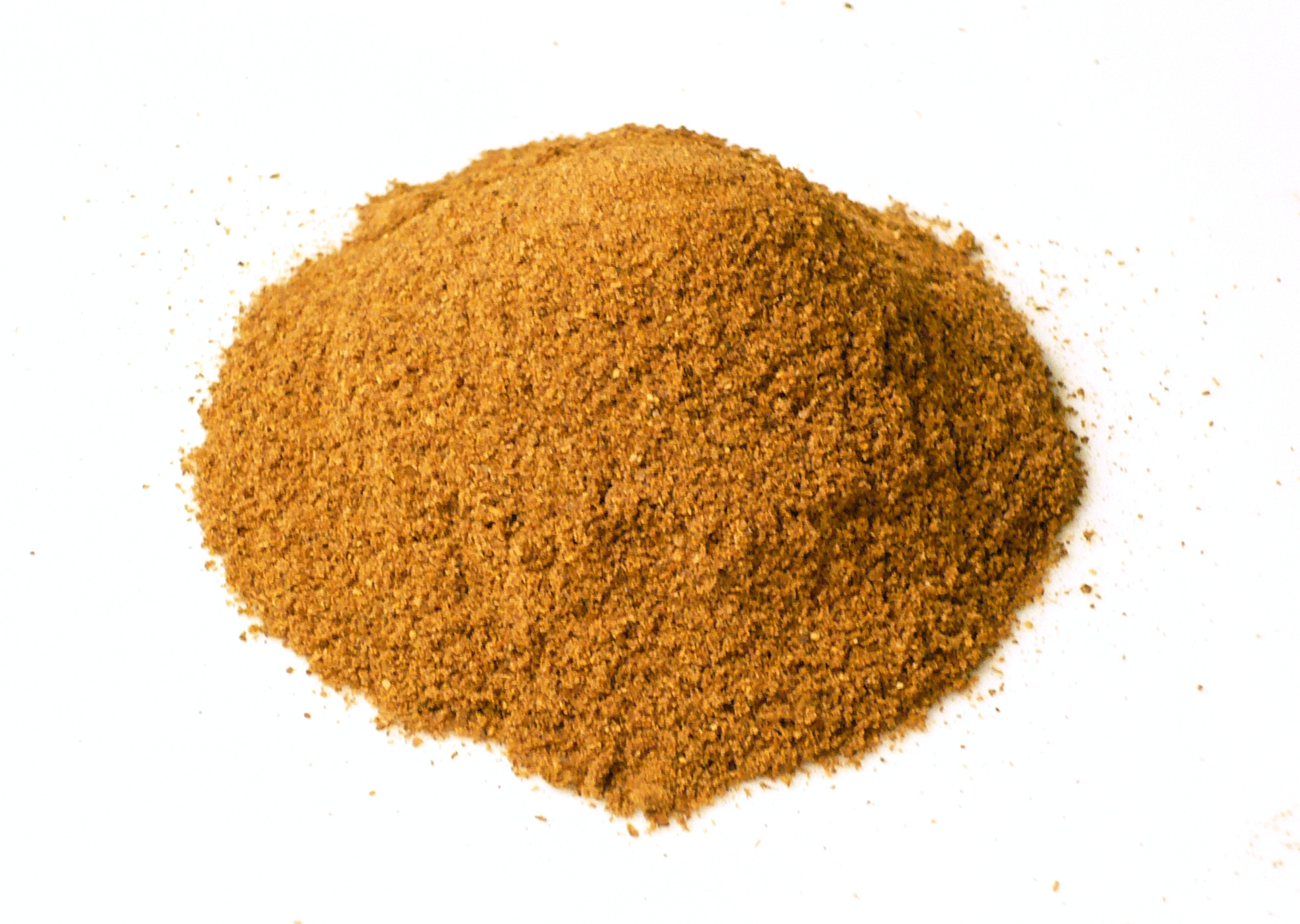
Berbere is the engine of Ethiopian cooking: a deep red blend of dried chilies ground with fenugreek, coriander, cardamom, and a roster of warm spices, at once hot, bitter-edged, and fragrant. It colors and drives doro wat, misir wat, key wat, and half the stews on any Ethiopian menu. Bought berbere from an Ethiopian grocery is excellent; homemade berbere, toasted and ground the same afternoon you use it, is a level above anything that traveled in a shipping container. A spice grinder and twenty minutes produce a jar that upgrades months of cooking.
A Blend With a Thousand Versions
There is no single canonical berbere. Ethiopian and Eritrean households mix their own proportions, and the recipe is often family knowledge passed between generations, with markets in Addis Ababa selling dozens of variations by the scoop. What the versions share is the architecture: sun-dried red chilies as the body, fenugreek as the distinctive bitter undertone, and a chorus of aromatics, commonly coriander, korarima, ginger, cloves, allspice, and black pepper. Traditional production involves drying and pounding fresh ingredients over days; the home method below compresses the idea into a toasting pan and a grinder without betraying it.
Choosing the Chilies
Ethiopian berbere is built on local chilies that rarely leave the region, so home blends abroad approximate with what dried-chili racks offer. New Mexico or guajillo chilies supply the fruity red body with gentle heat; a few arbols raise the temperature to something honest. This split lets you tune the blend precisely: heat lives in the arbol count, flavor in the mild chilies. Paprika added after grinding deepens the color. Ethiopian-strength berbere is genuinely hot, so decide whether you are blending for your own table or for the motherland’s standard.
Fenugreek and Korarima, the Two Signatures
Two seeds separate berbere from every other chili powder. Fenugreek brings a bitter, maple-adjacent depth that reads instantly as Ethiopian; do not skip it, and do not double it either, since it turns harsh in excess. Korarima, Ethiopian cardamom, is larger and smokier than the green Indian pods; Ethiopian groceries and online spice shops carry it, and green cardamom seeds substitute acceptably with a brighter result. Everything toasts briefly in a dry pan, chilies first and separately because they scorch fastest, then cools completely before grinding, because warm spices gum up a grinder.
Grinding and Keeping
A blade spice grinder or a dedicated coffee grinder handles the job in batches; a high-powered blender manages larger quantities. Grind to a fine powder, and pass it through a sieve if you want the silky commercial texture, regrinding what remains. Stir in the paprika, ground ginger, nutmeg, and salt at the end. Stored airtight, away from light and the heat of the stove, berbere holds its power for two to three months before fading the way all ground spice fades. Small batches made often beat one heroic jar made annually.
Putting the Jar to Work
Berbere’s first duty is the wat family: bloomed in fat over slow-cooked onions, it becomes the base of misir wat, doro wat, and their relatives, all covered on this site. Beyond the stews, it seasons tibs, lifts roasted vegetables and potatoes, rubs onto chicken and fish before grilling, and stirred into oil or melted butter with a splash of water becomes a fast table sauce in the spirit of awaze. A spoon in a pot of ordinary lentil soup relocates it to Addis Ababa. Once the jar exists, uses appear weekly.
Berbere Against Its Neighbors
It helps to place berbere on the map of chili blends. Against Indian garam masala it is hotter and chili-forward, since garam masala usually contains no chili at all. Against Moroccan ras el hanout it is more fiery and less sweet-spiced. Against plain American chili powder it is deeper, more bitter-edged from the fenugreek, and more aromatic by a wide margin. Its closest relative is its own countryman mitmita, the hotter, finer Ethiopian blend built on bird’s eye chilies. Knowing these positions makes substitutions honest: you can always tell what a stand-in will lack.
Scaling the Batch
The quantities here fill a small jar, roughly a cup, which an active Ethiopian cooking habit empties in a month or two. Scale up by multiplying everything evenly, but toast in the same small batches, since a crowded pan toasts unevenly and one scorched corner flavors the whole grind. If you cook doro wat for a crowd even once a season, a double batch is the right call; the recipe uses berbere by the quarter cup, not the teaspoon, and a stingy jar runs dry at the worst moment.
Common Questions
How hot is berbere supposed to be?
Genuinely hot by most Western standards, though short of the fiercest chili powders; mitmita is the hotter Ethiopian blend. Homemade lets you set the level with the arbol count and keep the aromatics constant.
Is store-bought berbere fine?
From an Ethiopian grocery with real turnover, yes, often excellent. Supermarket jars from general spice brands vary widely and frequently run mild and stale. Homemade beats both when freshness matters.
What substitutes for berbere in a recipe?
Nothing exactly. In an emergency, mix paprika, cayenne, a pinch of ground fenugreek, coriander, ginger, and allspice. It gestures at berbere well enough to finish tonight’s stew, and it will convince you to make the real jar.
Berbere is the signature seasoning of Ethiopian and Eritrean cooking, a chili-forward blend whose exact mix varies by household and is often guarded like a family recipe.