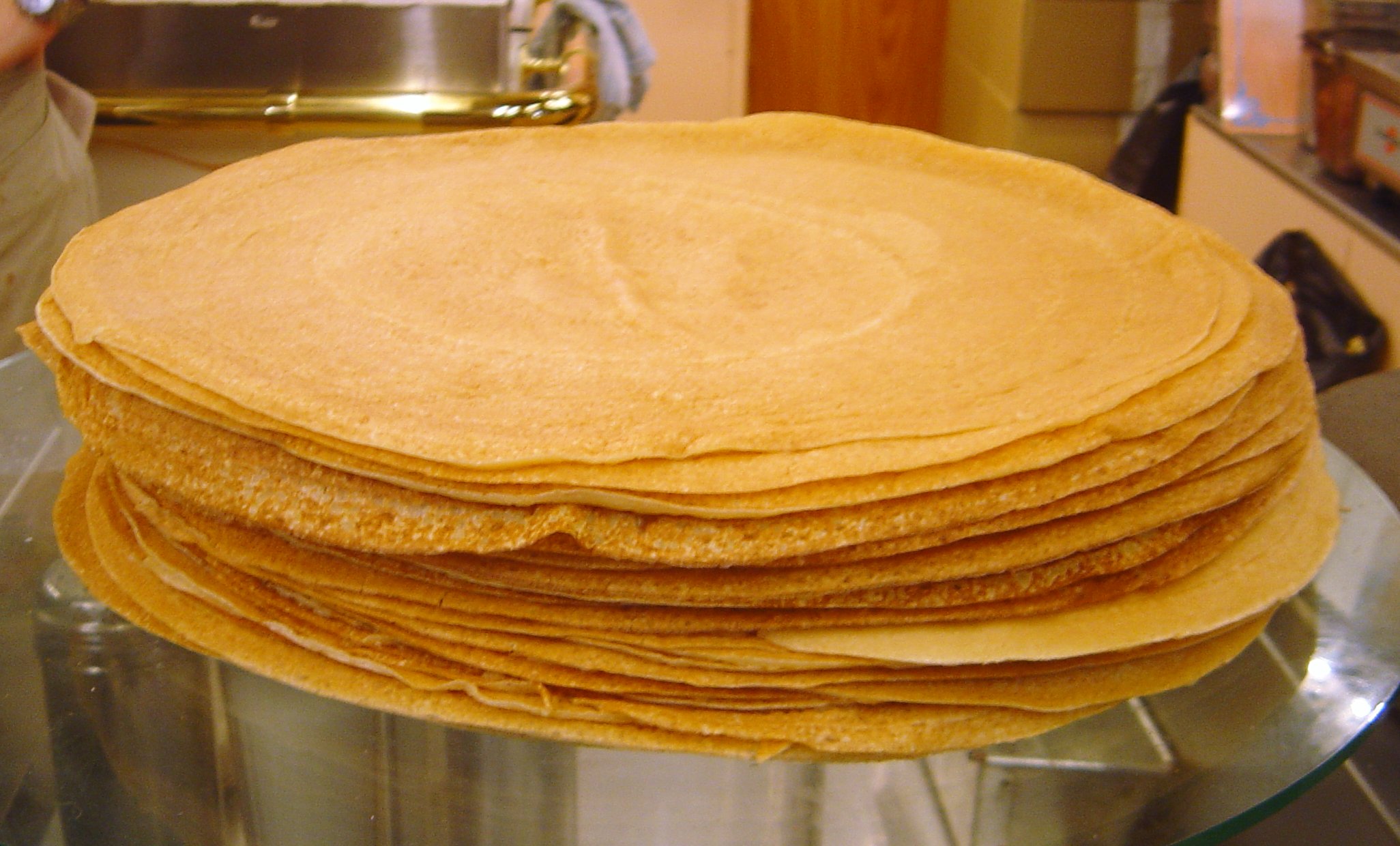
Crepes are the thin, tender pancakes the French eat at any hour: folded around jam and butter for breakfast, wrapped over ham and cheese for lunch, or draped in chocolate or caramel for dessert. The batter takes five minutes and a whisk, and the only real skill is a quick swirl of the pan to spread it thin. One simple recipe covers a whole range of meals, which is why crepes are as much a weeknight staple in France as a street-food treat. Master them once and you have them forever.
From Brittany to Everywhere
Crepes come from Brittany, the region in France’s northwest, where they split into two traditions: savory galettes made from buckwheat flour and sweet crepes made from wheat. Creperies built around them spread across France and beyond, and the crepe became an everyday food eaten far from its coastal home. Candlemas, in early February, is even celebrated in France by making crepes, their round golden shape standing in for the sun. From regional specialty to national habit, the crepe earned its place through sheer usefulness.
The Batter
Crepe batter is deliberately thin, closer to cream than to pancake batter, which is what lets it spread into a delicate sheet. Flour, eggs, milk, and melted butter whisked smooth is the whole thing; sugar and vanilla go in for sweet crepes, and are left out for savory ones. Aim for no lumps, whisking well or giving it a quick blend. The batter should coat a spoon and pour easily. If it thickens as it sits, thin it with a splash of milk, since a thick batter makes heavy, thick crepes rather than lacy ones.
Resting Is Worth It
Letting the batter rest for at least thirty minutes, and up to overnight in the fridge, does real work. The resting time lets the flour fully hydrate and the gluten relax, which makes the crepes more tender and much easier to spread without tearing. It also lets any bubbles from whisking settle, giving a smoother sheet. You can cook the batter right away in a pinch, but rested batter is noticeably better and the difference costs you nothing but a little patience while you prepare your fillings.
Cooking Thin and Even
Heat a nonstick or dedicated crepe pan over medium and brush it with just a film of butter. Pour in a small ladle of batter and, in the same motion, lift and swirl the pan so the batter runs out to the edges in a thin, even layer before it sets. That swirl is the entire technique, and it has to happen fast. Cook about a minute until the edges lift and the underside is golden and lacy, then flip and give the second side thirty seconds. The first crepe almost always comes out wrong while the pan finds its heat; that one is the cook’s snack.
Sweet and Savory Fillings
The joy of crepes is what goes inside. Sweet versions take butter and sugar, jam, chocolate hazelnut spread, lemon and sugar, sauteed apples, or the classic Suzette treatment of orange and caramel. Savory crepes, ideally the buckwheat galettes, wrap around ham, grated Gruyere, a cracked egg cooked right in the folds, mushrooms, or spinach. The same stack of crepes can carry a whole meal from main to dessert. Fold them into quarters, roll them into cylinders, or fold the galettes into open squares around a runny egg, whichever suits the filling.
Making Ahead and Storing
Crepes are forgiving and make-ahead friendly. Cooked crepes stack happily and keep three days in the fridge, separated or not, and reheat in seconds in a warm pan or even briefly in the microwave. They also freeze well with parchment between them, so a big batch on the weekend feeds quick breakfasts all week. The batter itself keeps a day or two refrigerated. Few dishes give this much range from one bowl of simple ingredients, which is exactly why crepes never go out of the French kitchen.
The Batter Consistency to Aim For
Getting the batter right is most of the battle, and the target is thinner than cooks expect. It should pour and coat the back of a spoon in a thin film, closer to heavy cream than to pancake batter. Too thick and the crepes come out heavy and hard to swirl thin; too thin and they tear. If your batter thickens after resting, which it often does as the flour absorbs liquid, whisk in a splash of milk to loosen it back to that pourable state. A blender makes the smoothest batter in seconds and is worth using if you have one, since lumps show up as gummy patches in the finished crepe.
Common Questions
Why did my first crepe fail?
It almost always does, while the pan settles into the right temperature and butter level. This is normal and expected; even experienced cooks write off the first one. The rest of the batch comes out right.
Do I need a special crepe pan?
No. A good nonstick skillet works well. A dedicated crepe pan has low sides that make flipping easier, but any flat, wide pan that heats evenly and releases the crepe cleanly will do the job.
What is the difference between crepes and galettes?
Galettes are the savory Breton version made with buckwheat flour, usually filled with ham, cheese, and egg. Sweet crepes use wheat flour. Both come from Brittany and share the thin, swirled technique.
Crepes trace to Brittany in northwestern France, where thin buckwheat galettes and wheat crepes became a regional staple that spread into an everyday French food for any hour.