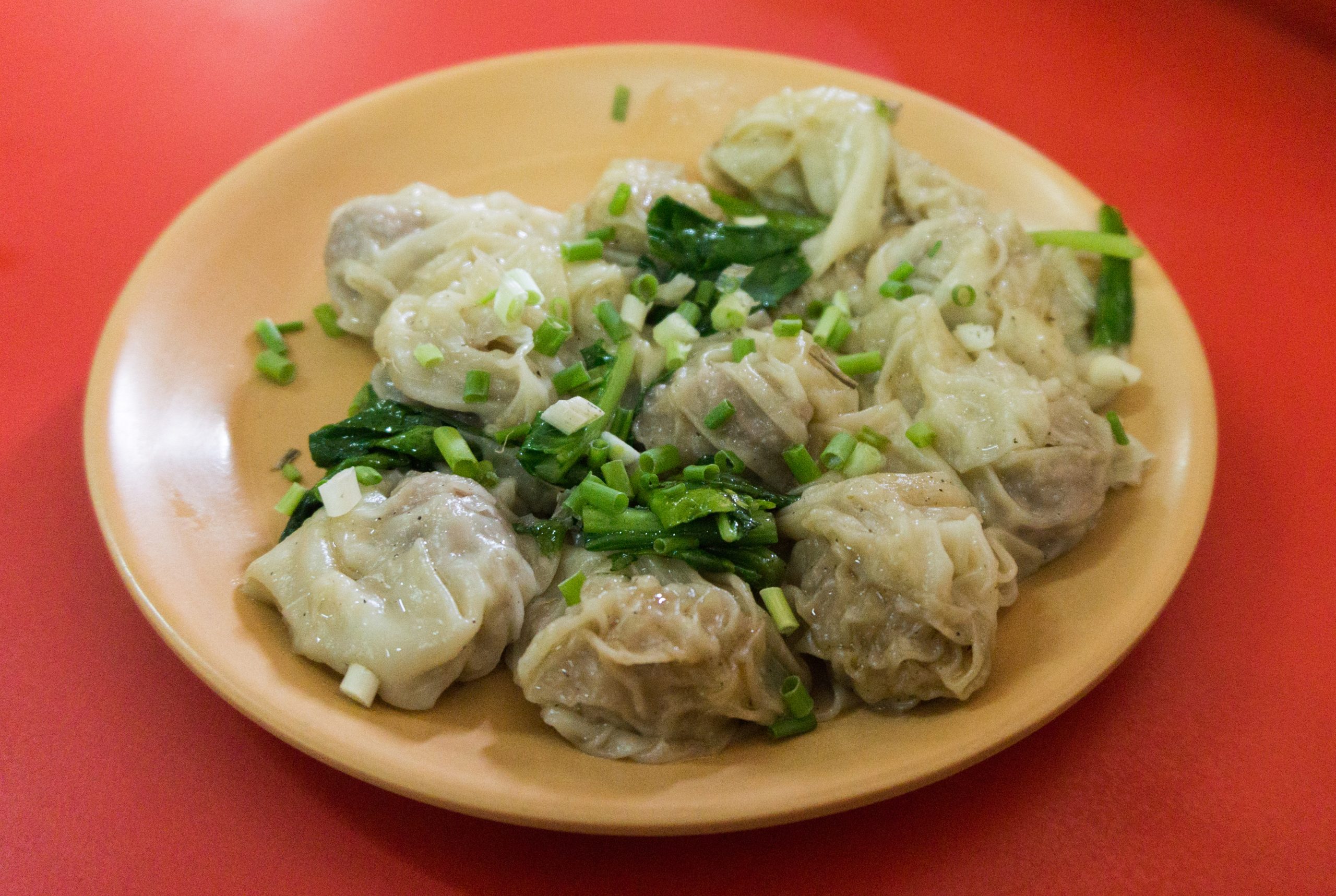
Wonton soup is comfort in a bowl: silky dumplings of pork and shrimp bobbing in a clear, savory broth with a little green and a scatter of scallion. The wontons, with their trailing wrapper edges, are tender and delicate, and the broth is light and warming. It is a beloved Cantonese classic, and making the wontons by hand is a satisfying, meditative task that yields far better dumplings than any freezer bag. Fold a big batch, freeze what you do not cook, and a bowl of homemade wonton soup is always minutes away.
From Northern China to the World
Wontons have a long history, tracing back to ancient northern China, where filled dumplings in broth were recorded centuries ago. Over time the people of Guangzhou in the south refined the wonton into the delicate Cantonese style, with thin wrappers and fillings of pork and shrimp, and after that it spread across the world through Cantonese migration, becoming one of the most recognized Chinese dishes abroad. In Cantonese cooking, wontons appear both in soup and in wonton noodle soup, paired with thin egg noodles. The name is written with characters often read as cloud swallow, a nod to the way the dumplings float in the broth like little clouds.
The Filling
Cantonese wontons are classically filled with a mix of ground pork and chopped shrimp, which gives a filling that is both juicy and springy with a little bounce. Season it simply with soy sauce, Shaoxing wine, sesame oil, grated ginger, and minced scallion, mixing well so the flavors distribute and the filling becomes cohesive and slightly sticky. Some cooks add a pinch of white pepper or a little sugar. Chop the shrimp so some pieces stay chunky for texture. Keep the seasoning restrained, since the broth is light and the wontons should taste clean and fresh rather than heavy. Chill the filling briefly to make it easier to handle while folding.
Folding Wontons
Folding is easier than it looks and quickly becomes a rhythm. Place a small spoon of filling in the center of a wrapper, wet the edges with water, and fold it over into a triangle or a little bundle, pressing out the air and pleating or pinching to seal. The key is restraint with the filling, since a small amount seals cleanly and stays delicate, while overstuffed wontons burst in the pot and turn clumsy. Keep the wrappers covered with a damp cloth so they do not dry and crack. There are many folding shapes, from simple triangles to the classic nurse’s-cap pleat, and any that seals well works fine.
The Broth
The broth is meant to be clear, light, and savory, a gentle backdrop rather than a rich stew. A good chicken broth is the easy base, simmered and seasoned lightly with soy sauce and a touch of sesame oil; more elaborate versions build a stock from pork bones, dried shrimp, or dried flounder for extra depth. Keep it clean-tasting and not too salty, since the wontons and greens add flavor. Blanch a little baby bok choy or choy sum in the broth to add color and freshness. The contrast of the delicate wontons against the clear, warming broth is the whole appeal, so resist the urge to overload or overseason it.
Cooking and Assembly
For the clearest soup, boil the wontons in a separate pot of water until they float and the filling is cooked through, a few minutes, then lift them into bowls; cooking them directly in the broth clouds it with starch. Add the blanched greens, ladle the hot broth over, and finish with sliced scallion and a drop of sesame oil. Serve right away while the wontons are tender and the broth steaming. If you prefer, cook them in the broth for a heartier, slightly cloudier soup, which many home kitchens do without complaint. Either way, the bowl comes together in minutes once the wontons are folded.
Serving Wonton Soup
Serve wonton soup hot, as a starter or a light meal, letting each person get a generous share of wontons and broth. To turn it into wonton noodle soup, add a nest of boiled thin egg noodles to each bowl, the classic Cantonese pairing. The great advantage of homemade wontons is the freezer: fold extras and freeze them raw in a single layer, then bag them, and they cook straight from frozen whenever you want a fast, comforting bowl. A batch of wontons in the freezer turns wonton soup from a project into a quick weeknight supper.
Common Questions
Can I freeze uncooked wontons?
Yes, and it is the best reason to make a big batch. Freeze them raw in a single layer on a tray so they do not stick, then transfer to a bag. Cook them straight from frozen, adding a minute or two, with no need to thaw.
How do I keep the broth clear?
Boil the wontons in a separate pot of water, then add them to the seasoned broth in the bowl. Cooking them directly in the broth releases starch that clouds it. A clear, clean broth is traditional, though a slightly cloudy one still tastes good.
What can I use instead of shrimp?
All pork makes a fine filling, seasoned the same way, and gives a slightly softer texture. You can also add finely chopped water chestnut or mushroom for crunch. The pork-and-shrimp mix is the Cantonese classic, but the wontons are forgiving of substitutions.
Wonton soup features delicate dumplings of pork and shrimp in a clear broth; wontons trace back to ancient northern China and were refined into the Cantonese style now known worldwide.