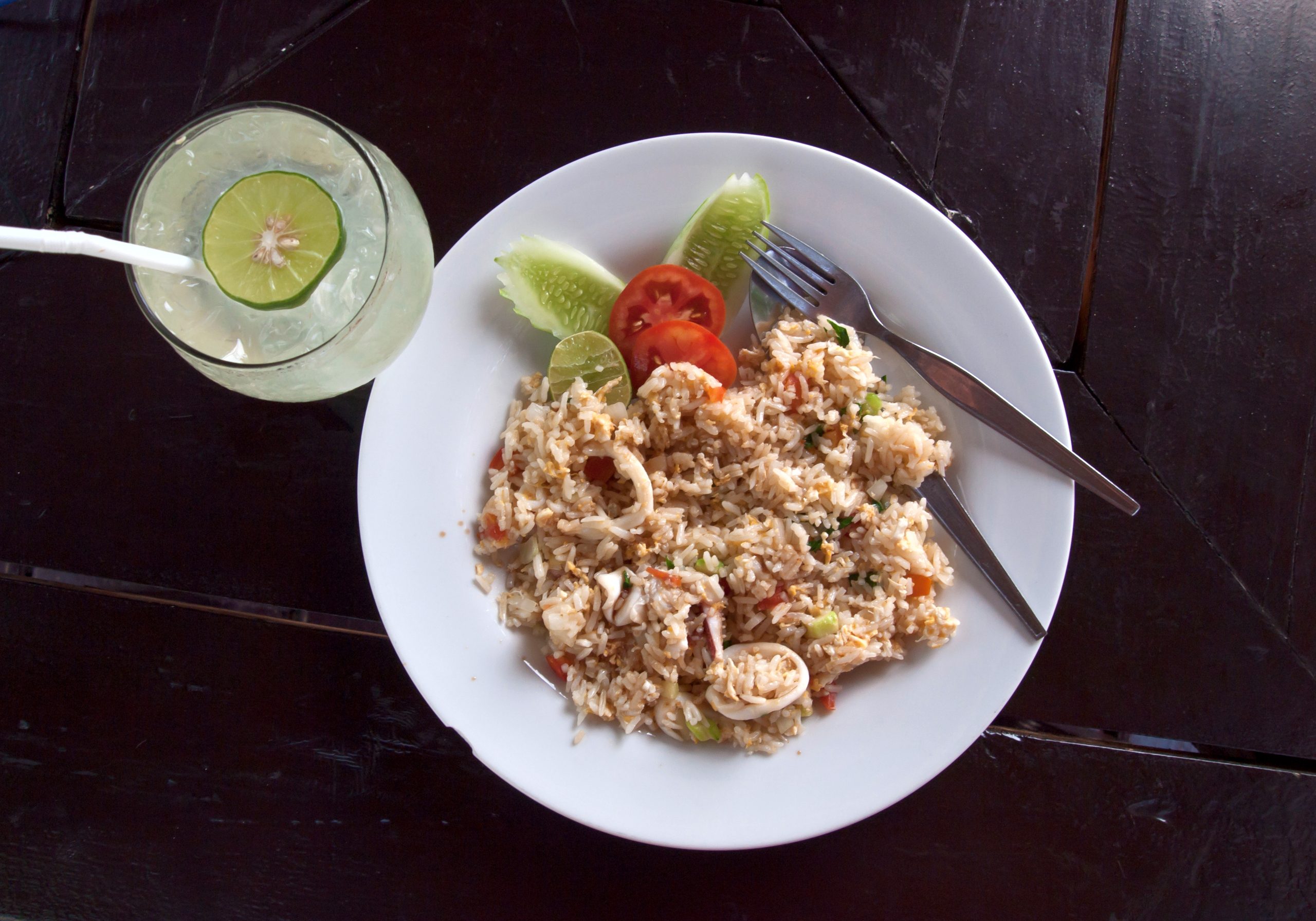
Egg fried rice is the plainest dish in the Chinese repertoire and one of the hardest to fake. Done right, every grain is separate, lightly toasted, coated in egg and scallion, seasoned with little more than salt, white pepper, and a sizzle of soy at the edge of the wok. Done wrong, it is a wet clump. The difference is not skill so much as three habits: old rice, high heat, and restraint with the sauce bottle. Master this and you have a ten-minute dinner for the rest of your life.
Leftovers Turned Into a Dish
Fried rice is thrift cooking with a long history in China, where rice is cooked fresh daily and yesterday’s pot needed a use. Tossed in a hot wok with egg and whatever the kitchen held, leftover rice became a dish in its own right, with famous regional versions such as Yangzhou fried rice piling in shrimp, ham, and peas. Egg fried rice is the baseline all of them build on, the version home cooks make at midnight and restaurants use to judge a new wok cook.
Why Day-Old Rice
Freshly steamed rice is soft and moist, and in a wok it smears into mush. Refrigerated overnight, rice dries at the surface and its starch firms up, so the grains stay separate and take on toast. That is why fried rice is a next-day dish. If you must start from scratch, cook the rice slightly dry, spread it on a tray, and chill it for an hour, or use the freezer for twenty minutes. Before frying, wet your hands and break every clump apart; the wok cannot separate what your fingers did not.
Eggs, Two Schools
There are two established ways with the egg. The first scrambles the eggs alone in the wok into large soft curds, removes them, and folds them back at the end, giving distinct golden pieces through the rice. The second pours beaten egg over the rice mid-fry so it coats the grains in a thin gilded layer, the style sometimes called gold-wrapped rice. This recipe uses the first method because it is more forgiving. Once comfortable, try the second and pick your allegiance.
Heat, and the Sound of the Wok
Fried rice wants the hottest burner you have and a pan already smoking faintly before the rice lands. Press the rice against the metal, let it sit ten seconds, then toss, and repeat; that contact is where the toasty flavor comes from. The dish is finished start to end in a few minutes, and it never stops moving for long. If your stove runs weak, fry one portion at a time. Two small batches beat one crowded, steaming failure every time.
Season Light, Season Late
The most common fried rice mistake is drowning it. This dish is seasoned with salt and white pepper, plus one spoon of soy sauce poured around the rim of the hot wok so it sizzles and toasts before touching the rice. That trick adds aroma without sogginess or a dark, heavy color. A teaspoon of sesame oil goes in off the heat at the very end, and the scallions split their duty: most tossed in for the last minute, a few raw on top for bite.
Building On the Base
Once the plain version is in your hands, additions are easy. Diced ham or Chinese sausage, thawed peas, small shrimp, leftover roast chicken, or a spoon of chopped kimchi all work; cook proteins first and fold them in with the eggs. Keep additions modest, since fried rice is rice first and everything else second. A fried egg on top with a runny yolk turns a side dish into dinner, and a few drops of chili oil never hurt anyone.
One Pan, One Order of Operations
Write the sequence on your hand the first time: eggs out, rice pressed and tossed, seasoning at the edge, eggs back, scallions, sesame oil off the heat. The whole run takes under five minutes, which is why every ingredient sits prepped beside the stove before the pan heats. Fried rice punishes the cook who stops mid-toss to slice a scallion. Cooked this way, the dish turns leftover rice and three eggs into a dinner that costs almost nothing and asks less than fifteen minutes from fridge to bowl, which is why it survives in every Chinese household on earth.
Common Questions
Can I use freshly cooked rice?
In a pinch, yes: cook it on the dry side, spread it on a tray, and chill it in the freezer for 20 minutes first. Straight from the pot, fresh rice steams and clumps in the wok.
Which rice variety works best?
Medium or long grain white rice, like jasmine, is the standard and fries clean. Short grain works with extra care to break clumps. Brown rice fries surprisingly well thanks to its firmer grain.
Why does restaurant fried rice taste different?
Mostly heat. Restaurant burners run far hotter than home stoves, which builds the smoky wok aroma called wok hei. Small batches, a screaming pan, and rice pressed against the metal get a home cook most of the way there.
Fried rice began as a thrifty way to revive leftover rice, and egg fried rice is its plainest, most loved form, cooked in home kitchens across China as a fast meal from almost nothing.