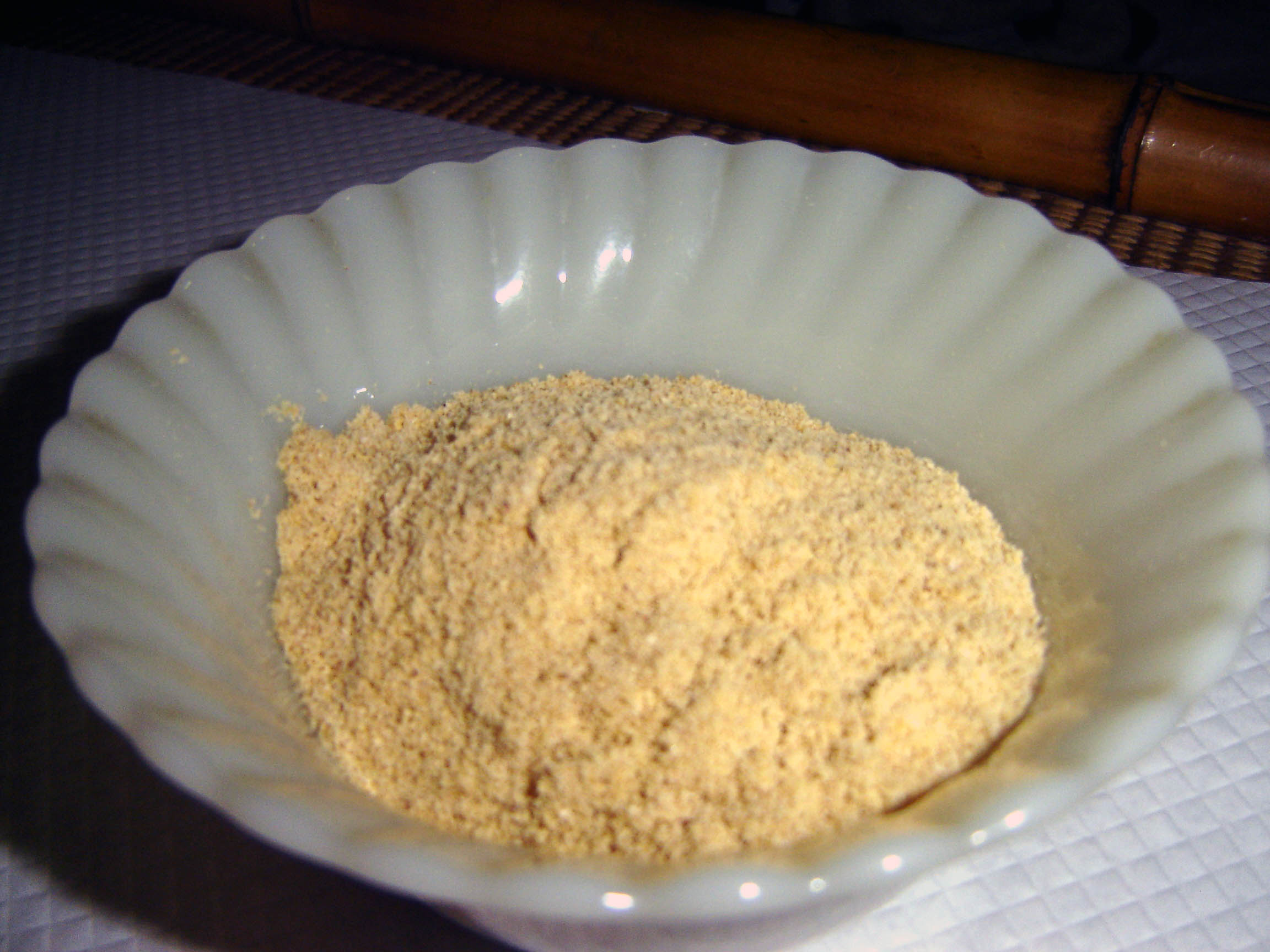
Farofa is cassava flour toasted in plenty of butter with bacon, onion, and scrambled egg until it turns golden and crunchy. It is not a dish anyone orders on its own; it is the sandy, savory scatter that goes over rice and beans, alongside feijoada, next to grilled meat, and onto almost any Brazilian plate. It takes twenty minutes, uses one pan, and transforms a plate of otherwise soft food by giving it texture.
The Third Element
Brazilian cooking rests on a trio: rice, beans, and farofa. The first two are soft and the third supplies the crunch, soaking up bean juices and meat drippings while adding a nutty, salty bite to every forkful. Cassava is native to South America and was a staple of indigenous diets long before the Portuguese arrived, and processing the root into flour is one of the oldest food technologies in the region. Farofa appears with feijoada as a matter of course, alongside collard greens and orange slices, and at every churrasco table in the country.
The Flour
Farinha de mandioca, cassava or manioc flour, is the only correct base, and it is sold at Brazilian and Latin American groceries in fine and coarse grinds. Coarse gives a more pronounced crunch, fine gives a sandier texture, and either works depending on preference. Do not confuse it with tapioca starch or tapioca flour, which is a completely different product made from the extracted starch and behaves like cornstarch in a pan. Some brands are sold pre-toasted, which shortens the cooking, and some are raw, which need longer over the heat.
Fat and Aromatics
Farofa is only as good as the fat it is toasted in, and this is not the place to economize. Butter is standard, and rendered bacon fat is better still, with the two used together in most household versions. Start by frying diced bacon until crisp, then soften chopped onion in the rendered fat, and add butter before the flour goes in. Garlic is common, and scrambled egg cooked into the pan adds richness and body. The flour needs enough fat to coat every grain, since a dry farofa tastes like dust no matter how well seasoned.
Toasting
Add the cassava flour gradually rather than all at once, stirring constantly so it coats evenly in the fat and does not form clumps. Then toast over medium heat, stirring often, until the flour turns from pale to golden and gives off a distinctly nutty smell. This takes a few minutes and needs watching, because the line between properly toasted and burnt is short and there is no rescuing a scorched batch. Taste as you go. The finished farofa comes out loose and free-flowing, golden, and crunchy rather than damp or pasty. If it clumps in the pan, the heat was too low or the flour went in faster than the fat could coat it, and a little more butter stirred through usually corrects the texture.
Variations
Every Brazilian family has its own version. Farofa de banana adds sliced banana fried in butter, which sounds strange and works beautifully against salty meat. Raisins and dried fruit turn up in festive versions, particularly at Christmas, alongside toasted nuts. Calabresa sausage, ham, olives, hard-boiled egg, and collard greens all appear. There are simpler farofas made with nothing but flour, butter, and salt, which are perfectly correct too. Treat the recipe as a base and adjust it to whatever it is being served with.
Serving Farofa
Serve it warm or at room temperature in a bowl on the table for people to spoon over their own plates. It belongs with feijoada above all, but it goes equally with grilled picanha, roast chicken, or a plain plate of rice and beans. It keeps several days in an airtight container at room temperature and can be refreshed in a dry pan, though it loses some crunch. Make more than you think you need, since it disappears faster than anything else on a Brazilian table and cold leftovers are eaten straight from the bowl by anyone passing the kitchen.
Common Questions
What flour do I use for farofa?
Farinha de mandioca, cassava or manioc flour, sold at Brazilian and Latin American groceries in fine or coarse grinds. Tapioca starch is a different product entirely and will not work, since it thickens and turns gluey rather than toasting.
Can I make farofa vegetarian?
Easily. Leave out the bacon and use butter or olive oil with onion, garlic, and herbs. Toasted nuts, olives, or fried banana add richness. The technique of toasting the flour in plenty of fat stays exactly the same.
How long does farofa keep?
Several days in an airtight container at room temperature. Versions with egg or fresh herbs are best eaten within a day or two. Refresh it in a dry pan over low heat to bring back some of the crunch before serving again.
Farofa is toasted cassava flour, a staple side across Brazil served with rice and beans and alongside feijoada, where it soaks up the juices and adds crunch to the plate.