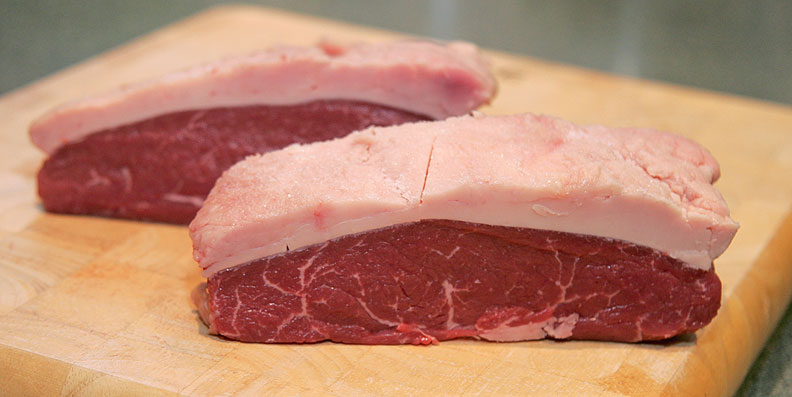
Picanha is the cut Brazilians prize above all others, and grilling it is almost a national ritual: a thick, triangular slab of beef with a generous fat cap, seasoned with nothing but coarse salt and cooked over fire until the fat crisps and the meat stays juicy and pink. There is very little to it, which is exactly the point. Great picanha is about the cut, the fat, the salt, and the fire, and once you understand those four things, you can bring the churrasco home.
The King of the Churrasco
Picanha is the rump cap, known in the US as the top sirloin cap or coulotte, a triangular muscle from the back of the animal that sits under a thick layer of fat. In Brazil it is the most prized cut for churrasco, the barbecue tradition rooted in the cattle country of the south, and the centerpiece of the churrascaria, where servers carve it tableside off long skewers. Its appeal is the combination of rich, beefy flavor and that fat cap, which bastes the meat as it cooks. Seasoned with only coarse salt and cooked over fire, picanha is Brazilian grilling at its purest.
Buying and Trimming
Finding a whole picanha may mean asking a butcher, since supermarkets often cut it into other steaks; look for a triangular piece of one to two kilos with a firm, even fat cap on top. Do not trim that fat off, since it is the heart of the dish; leave it a good centimeter thick. Score the fat in a crosshatch, cutting into the fat but stopping before the meat, which helps it render and crisp and lets salt penetrate. Beyond that, no trimming is needed. A good picanha needs no marinade, no rub, and no tenderizing, only respect for the fat.
Salt and Nothing Else
The seasoning for picanha is coarse sea salt, and that is the whole list. Brazilians season it generously with rock salt just before it hits the grill, letting the quality of the beef and the richness of the fat speak for themselves. No garlic, no pepper, no marinade in the traditional preparation; the dish is a celebration of good meat cooked simply. Apply the salt right before cooking rather than long ahead, so it seasons the surface without drawing out too much moisture. After grilling, some cooks brush off the excess coarse salt. This restraint is not laziness but tradition, and it works.
Skewer or Whole
There are two classic ways to grill picanha. The churrascaria method cuts it into thick steaks along the grain, bends each into a horseshoe or C shape, and threads two or three onto a long skewer with the fat facing out, so they cook like a rotating roast. The other way keeps the picanha whole and grills it in one piece, fat side down first to render, then turned, before slicing. Both work over charcoal at home; the skewer method suits a crowd and looks the part, while the whole-piece method is simpler for one grill. Either way, the fat leads and the fire does the work.
Grilling Over Fire
Picanha wants a hot charcoal fire. Start with the fat cap toward the heat to render it, letting it crisp and turn deep golden while the flames flare from the dripping fat, then cook the meat side to a rosy medium-rare, which is where picanha is at its best. The fat needs to render fully and crisp, never left flabby, and the meat stays pink and juicy inside rather than cooked through to grey. Watch for flare-ups and move the meat as needed. A charcoal grill gives the truest smoky result, though a very hot gas grill or a cast-iron pan for steaks will also do the job.
Slicing and Serving
Rest the picanha a few minutes off the heat so the juices settle, then slice it thin against the grain, which is what keeps each bite tender; slicing with the grain leaves it chewy no matter how well you cooked it. Serve it Brazilian style with the classic churrasco sides: farofa, the toasted cassava flour that soaks up the juices, white rice, black beans, vinagrete salsa, and grilled bread. A cold beer or a caipirinha completes the table. Picanha is social food, cooked over fire while people gather, sliced and shared straight off the board, the way a churrasco is meant to be.
Common Questions
Where do I buy picanha?
Ask a butcher for the rump cap, top sirloin cap, or coulotte, with the fat cap left on. Many supermarkets break it down into other steaks, so a butcher or a Brazilian or Latin market is your best bet. The whole triangular piece is what you want.
Should I really use only salt?
Yes, for authentic picanha. Coarse sea salt applied just before grilling is the traditional seasoning, letting the beef and fat lead. You can add pepper or garlic if you like, but the classic Brazilian churrasco keeps it to salt alone, and it needs nothing more.
Do I need a charcoal grill?
Charcoal gives the truest churrasco flavor and the best fat rendering, but a very hot gas grill works, and steaks can be seared in a cast-iron pan. What matters is high heat, a well-rendered fat cap, and a pink medium-rare center.
Picanha is the rump cap, the most prized cut for Brazilian churrasco, traditionally skewered and grilled over charcoal with its fat cap intact and seasoned with only coarse salt.