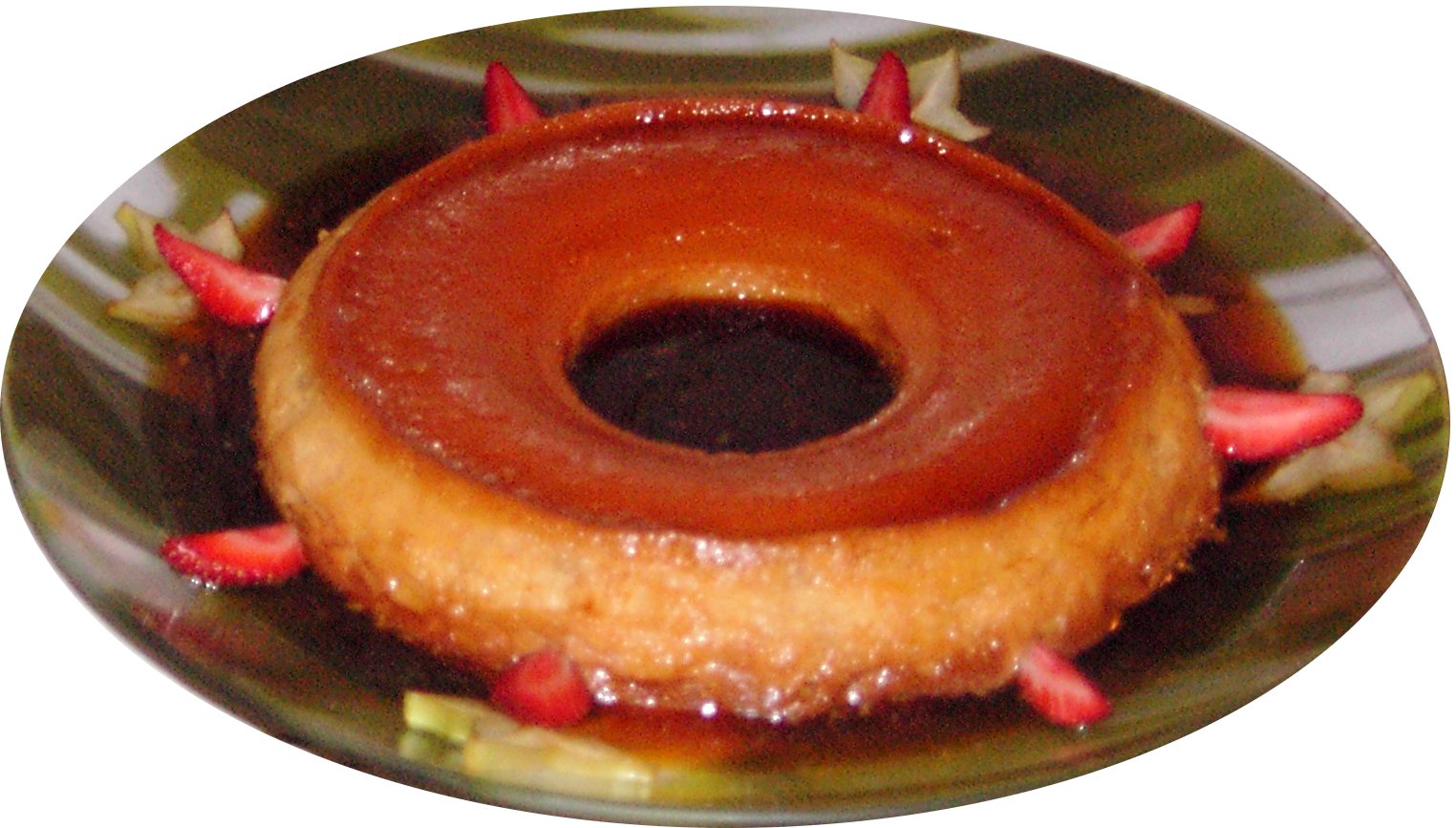
Pudim is the dessert that ends countless Brazilian meals: a silky, dense flan made from condensed milk, crowned with a pool of dark caramel that runs down its sides when you turn it out. It is sweet, rich, and cool from the fridge, with a smooth, sliceable texture full of tiny holes that Brazilians know and love. It looks impressive unmolded on a plate, yet it is made from a handful of pantry ingredients blended together and baked gently in a water bath. Master the caramel and the bake, and pudim is yours.
Brazil’s Beloved Flan
Pudim de leite, milk pudding, is Brazil’s version of flan, and it is a fixture at family lunches, birthdays, and holiday tables across the country. What sets the Brazilian version apart is condensed milk, which gives it a denser, sweeter, more velvety character than a classic Latin American flan made with fresh milk. It is baked over caramel in a ring mold and turned out so the caramel becomes a glossy sauce. Simple, affordable, and reliably loved, pudim is the dessert a Brazilian home cook can make in their sleep, and the one guests hope to see on the table.
The Caramel
The dessert starts with caramel, made by melting sugar in a dry pan until it turns a deep amber. Take it far enough for real caramel flavor and color, but pull it off the heat before it scorches, since burnt caramel turns bitter and no amount of sweetness rescues it. Pour the hot caramel into the ring mold and swirl to coat the bottom and a little up the sides; it will harden as it cools, then melt again into sauce during baking. Work carefully, as caramel is very hot. This dark, slightly bitter caramel against the sweet custard is the balance that makes pudim.
The Custard
The custard could not be simpler: condensed milk, an equal measure of whole milk, and eggs, blended smooth, with vanilla if you like. The proportion of eggs to milk sets the texture, and this ratio gives the firm, sliceable, classic pudim. Blend it well so everything is fully combined, then let the foam settle for a moment before pouring, since too many bubbles leave a spongy top. Some cooks strain the mixture for extra smoothness. Pour the custard gently over the set caramel in the mold. That is the entire preparation, which is part of why pudim is such a dependable, everyday dessert.
The Water Bath
Pudim is baked in a banho-maria, a water bath, and this step is what gives it its silky texture. Set the filled mold inside a larger pan and pour hot water into the outer pan until it reaches halfway up the sides of the mold. The surrounding water buffers the custard from the oven’s direct heat, so it cooks gently and evenly and sets smooth instead of curdling into scrambled egg. Bake until the pudim is just set, with a slight wobble in the center that will firm up as it chills. An overbaked pudim turns rubbery and full of large holes, so pull it while it still jiggles.
Chilling and Unmolding
Patience finishes the job. Let the pudim cool to room temperature, then refrigerate it for several hours or overnight until it is thoroughly cold and firm. Chilling is not optional: a warm pudim is soft, will not hold its shape, and will not release cleanly. To unmold, run a knife around the edge, set a rimmed plate over the mold, and invert the two together with a confident flip. The pudim drops out and the melted caramel floods down over it. If it sticks, a brief dip of the mold’s base in hot water loosens the caramel. Then it is ready to slice.
Serving Pudim
Serve pudim cold, sliced into wedges with the caramel spooned over each. It needs nothing else, though a few berries alongside are a nice touch. Because it is made ahead and chilled, it is the ideal dessert for entertaining: assemble it the day before and it waits in the fridge, ready to unmold at the last minute. It keeps for several days covered in the refrigerator, staying silky. For many Brazilians the small holes running through the custard are a feature, the sign of a homemade pudim, though a longer, gentler bake gives a denser, smoother one if you prefer.
Common Questions
Why does my pudim have big holes?
The oven ran too hot or the custard overbaked, boiling the eggs. Use a water bath, keep the oven moderate, and pull the pudim while the center still wobbles. Letting the blended mixture settle before baking also reduces bubbles.
Can I make it without a ring mold?
Yes. A round cake pan or individual ramekins work; the ring mold is traditional and helps it cook evenly. Whatever you use, coat it with caramel first, bake in a water bath, and chill fully before unmolding.
How far ahead can I make it?
Pudim is a natural make-ahead. It needs hours of chilling anyway, so making it the day before is ideal. It keeps several days covered in the fridge and only unmolds when you are ready to serve, which makes it perfect for gatherings.
Pudim de leite is the classic Brazilian flan, a dense, silky custard made with condensed milk and baked over a layer of caramel, a fixture at family gatherings across Brazil.