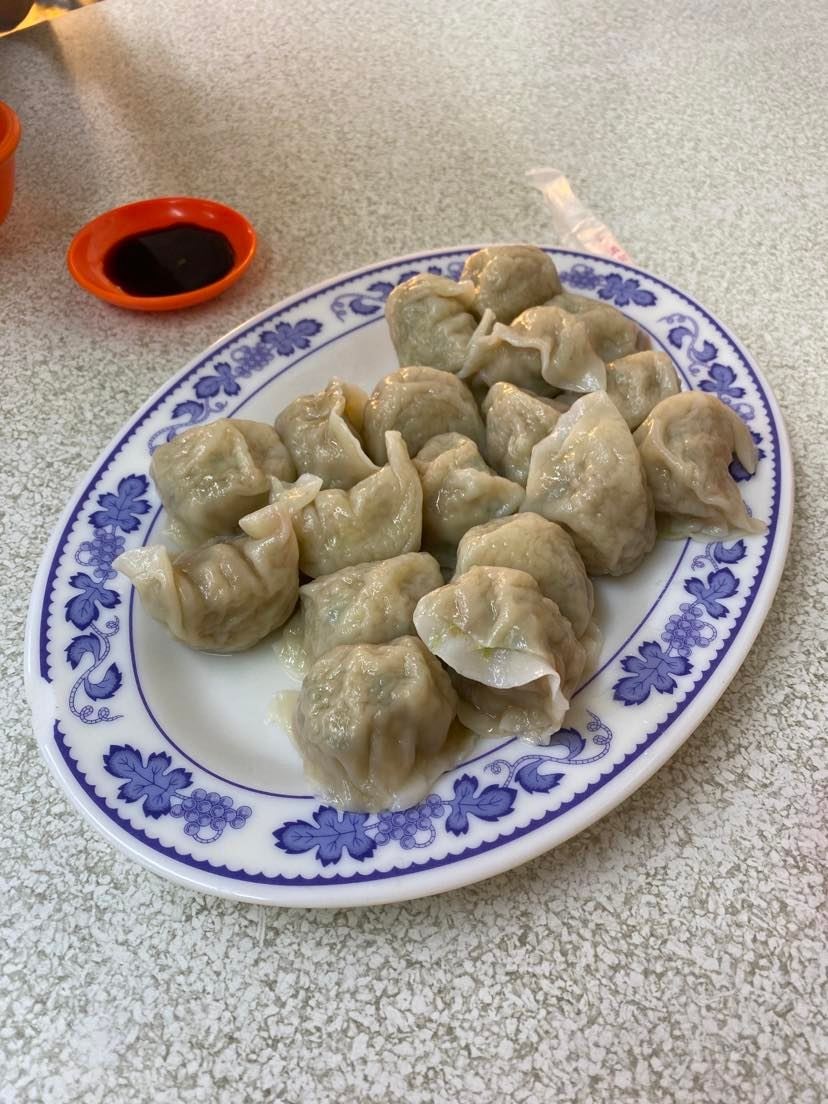
Gyoza are the dumplings with the best of both worlds: a crisp, golden fried bottom and a soft, steamed top over a juicy pork and cabbage filling. They are Japan’s take on the dumpling, the classic partner to a bowl of ramen, and a home-cooking staple. The magic is a two-step cooking method, fry then steam, that gives that signature contrast of textures. Shaping them takes a little practice, but the filling and the cooking are simple, and a batch comes together quickly once your hands learn the pleat.
A Dumpling Adapted
Gyoza descend from the Chinese jiaozi, and the Japanese version took hold after the Second World War, when people returning from China recreated the dumplings and adapted them to Japanese tastes. The city of Utsunomiya became especially known for them. Japanese gyoza tend toward a thinner wrapper, a heavier hit of garlic, and pan-frying as the default cooking method, where boiling is more common in China. They are eaten as a side dish, a snack, and an accompaniment to ramen and rice. This is home food and casual restaurant food, not fussy cooking.
The Filling
The standard filling is ground pork and finely chopped napa cabbage, seasoned with scallion, ginger, garlic, soy sauce, and sesame oil. The one step that decides success is drying the cabbage: salt the chopped cabbage, let it sit, then squeeze out all the water it releases. Wet cabbage makes a loose filling that leaks and produces soggy, bursting gyoza. Mix the filling until it turns sticky and slightly paste-like, which helps it hold together and stay juicy. Taste-check by frying a tiny bit, then adjust the seasoning before you fill dozens of wrappers with something bland.
Shaping
Use round gyoza wrappers, sold in the refrigerated section of Asian groceries. Place a small spoon of filling in the center of a wrapper, wet the edge with a finger dipped in water, then fold it into a half-moon and pleat one side, pressing the pleats against the flat back edge to seal. The pleats are traditional and help the gyoza sit upright, but even a simple sealed half-moon works while you learn. Seal every edge firmly, since gaps let juice escape and let water in during steaming. Keep the finished gyoza under a towel so they do not dry out.
Fry, Then Steam
This is the technique that defines gyoza. Heat oil in a pan and set the dumplings flat bottom down, frying until the bottoms turn golden and crisp. Then pour in water, a half cup or so, and immediately clamp on a lid. The trapped steam cooks the top of the wrapper and the filling through while the bottom stays crisp against the pan. When the water has evaporated, uncover and let the bottoms fry a moment longer to re-crisp. Done right, you lift out dumplings with a lacy, crackling base and a tender, steamed top.
The Dipping Sauce
Gyoza are served with a simple dipping sauce, and the classic is a mix of soy sauce and rice vinegar, often with a few drops of chili oil, rayu, for heat. The vinegar is the important part; its sharpness cuts the richness of the pork and the fried wrapper. Adjust the ratio to taste, some prefer more vinegar, some more soy. A little grated ginger or a pinch of scallion in the sauce is a nice addition. Set out small dishes so everyone can dip, since eating gyoza straight from the pan with sauce is half the pleasure.
Make Ahead and Freeze
Gyoza freeze beautifully, which makes the shaping session worthwhile. Arrange the shaped raw dumplings on a tray so they do not touch, freeze them solid, then bag them. Cook them straight from frozen with the same fry-and-steam method, adding a little extra steaming time. This gives you fresh, hot gyoza on demand for weeks from one afternoon of folding. Cooked gyoza are best eaten right away, since they lose their crisp bottom as they sit, so freeze them raw rather than cooked and fry only what you will eat.
Common Questions
Why did my gyoza turn out soggy?
The cabbage held too much water, or the bottoms were not re-crisped after steaming. Squeeze the salted cabbage completely dry, and after the water evaporates, fry the bottoms a moment longer to crisp them again.
Can I make them vegetarian?
Yes. Replace the pork with more cabbage, mushrooms, and tofu or a plant mince, keeping the ginger, garlic, and sesame. Dry the vegetables well, since mushrooms and cabbage both release water that would make the filling loose.
What is the difference between gyoza and potstickers?
They are close cousins from the same Chinese jiaozi tradition. Japanese gyoza usually have thinner wrappers and more garlic. The fry-and-steam cooking method is essentially the same one used for Chinese potstickers.
Gyoza are Japanese pan-fried dumplings adapted from the Chinese jiaozi, which spread widely in Japan after the Second World War and became a home-style staple and the classic side to ramen.