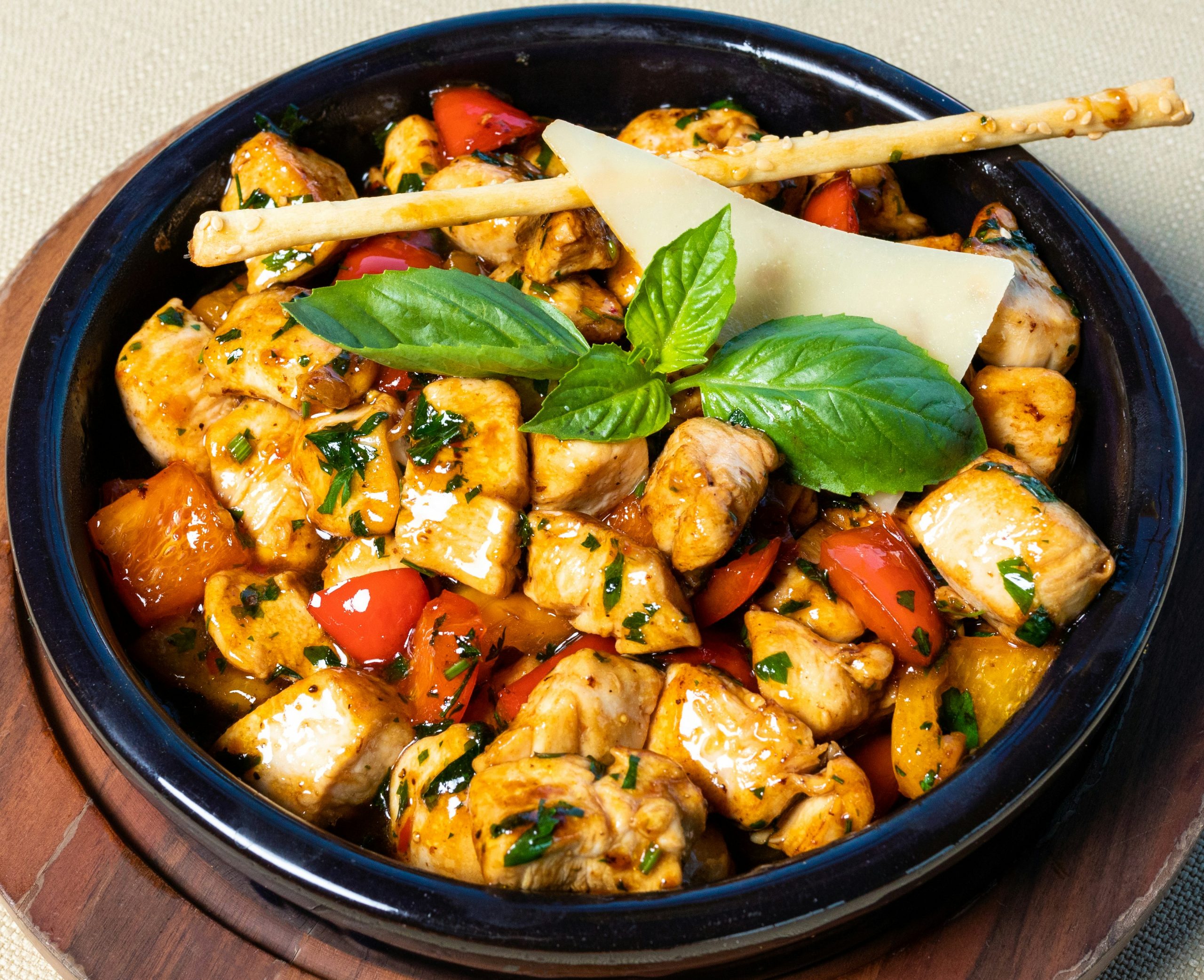
Lomo saltado is Peru on a single plate: beef seared in a smoking-hot wok with soy sauce and vinegar, tossed with red onion, tomato, and yellow chili, then served over french fries with a side of rice. The dish looks like a contradiction until you taste it. Fries soak up the savory pan juices, the beef stays pink inside its charred crust, and the aji amarillo threads fruity heat through everything. It is fast food in the literal sense, cooked start to finish in about fifteen minutes, and it holds a permanent place on the menu of nearly every Peruvian restaurant on earth.
A Dish Born of Two Kitchens
Lomo saltado belongs to chifa, the Chinese-Peruvian cooking tradition created by Cantonese immigrants who arrived in Peru in the second half of the nineteenth century. Those cooks brought the wok, the stir-fry technique, and soy sauce, then applied all three to Peruvian ingredients: local beef, native chilies, tomatoes, and potatoes. The word saltado comes from the Spanish for jumping, describing the constant tossing of the pan. Today the dish is considered thoroughly Peruvian, and chifa restaurants number in the thousands across Lima alone.
Getting the Sear Right
The entire character of lomo saltado depends on high heat. The beef needs to sear in seconds, picking up char while staying juicy inside, and that only happens in a pan hot enough to make the oil shimmer and nearly smoke. Cook the meat in two batches if your pan is small; crowding drops the temperature and steams the beef gray. A wok is ideal because its shape concentrates heat and makes tossing easy, but a heavy cast-iron or carbon-steel skillet does the job. Whatever the pan, have every ingredient cut and within reach before the burner goes on, because once cooking starts there is no time to chop.
Choosing the Beef
Lomo means loin, and sirloin or tenderloin cut into strips about the size of a finger is the standard choice. The strips need enough thickness to stay medium inside while the outside chars. Pat the beef dry before it hits the pan; surface moisture is the enemy of browning. Season with salt and pepper just before cooking. Flank steak sliced against the grain is a budget-friendly alternative that stays tender if you avoid overcooking it.
Aji Amarillo, Peru’s Signature Chili
Aji amarillo is the yellow-orange chili that flavors much of Peruvian cooking, with moderate heat and a distinctly fruity, almost apricot-like taste. Fresh ones are hard to find outside South America, but jarred aji amarillo paste is widely sold online and in Latin groceries, and a tablespoon of paste substitutes for the sliced fresh chili in this recipe. If neither is available, a fresh yellow or orange bell pepper plus a small hot chili approximates the color and heat, though not the particular flavor. Seed the fresh chili to keep the dish family-friendly.
The Sauce and the Vegetables
Soy sauce, red wine vinegar, and a spoonful of oyster sauce form the pan sauce, hitting salty, tangy, and savory notes in one pour. The vinegar deglazes the browned bits from the pan floor and gives the dish its characteristic edge. The vegetables go in after the beef comes out and cook for barely two minutes: the red onion keeps some crunch, and the tomato wedges soften at the edges while holding their shape. Return the beef, add the sauce, toss everything for thirty seconds, and the cooking is done. Fresh cilantro goes on at the end, off the heat.
Fries and Rice, Together
Serving fried potatoes and white rice on the same plate strikes some first-timers as excessive, but the combination is the whole dish. In Peru the fries either mix directly into the stir-fry at the last moment or sit alongside it, catching the juices either way. Freshly fried thick-cut potatoes are traditional; good frozen fries baked crisp are an honest weeknight substitute. The rice, plain and fluffy, anchors the strong flavors. Skipping either component produces a nice stir-fry, but not lomo saltado.
Common Questions
Can I make it with chicken?
Yes. Pollo saltado is a recognized variation found across Peru. Use thigh meat cut into strips and cook it through completely, which takes a minute or two longer than beef.
Why did my beef turn out gray and watery?
The pan was not hot enough, the beef was wet, or too much went in at once. Dry the meat, preheat the pan until the oil shimmers hard, and cook in batches.
What drink pairs with it?
In Peru the natural partner is Inca Kola or a cold chicha morada, the purple corn drink, and both are increasingly easy to find abroad. A pisco sour before the meal turns dinner into an occasion, and a light lager handles the chili heat as well as anything.
Does it keep as leftovers?
The beef and vegetables reheat acceptably in a hot pan for a day or two, but the fries go soft. If you expect leftovers, store the fries separately and re-crisp them in the oven.
Lomo Saltado is the perfect representation of \'Chifa\' cuisine—the beautiful fusion of traditional Peruvian ingredients with Chinese cooking techniques brought by immigrants in the late 19th and early 20th centuries. The dish is cooked in a wok over very high heat, giving the meat a distinct smoky flavor known as \'wok hei’. The addition of soy sauce and vinegar points to its Asian roots, while the aji amarillo chili, tomatoes, and the serving of both rice and french fries make it unmistakably Peruvian.