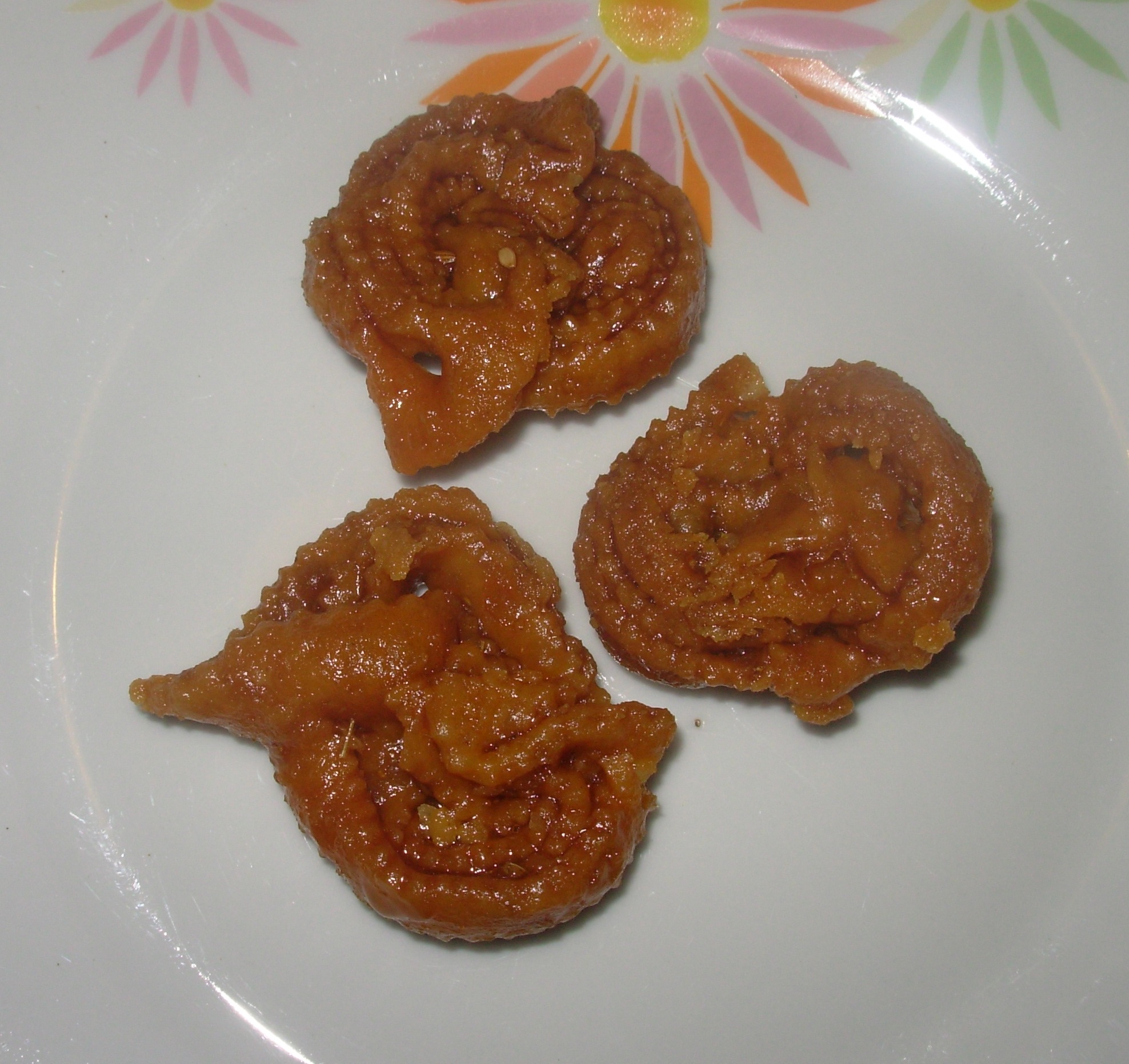
Chebakia are Morocco’s jewel-like sesame cookies: strips of spiced, sesame-rich dough folded into flower shapes, fried until golden and crisp, then plunged into warm honey scented with orange blossom water until they drink it up. The result is sticky, crunchy, floral, and deeply sweet, glistening with honey and coated in sesame seeds. They are a Ramadan tradition above all, served every evening alongside the soup harira to break the fast. Making them is a labor of love, especially the folding, but a batch of chebakia is a real accomplishment.
A Ramadan Sweet
Chebakia are flower or rose-shaped sesame cookies, deep-fried and soaked in honey, and they are bound up with Ramadan in Morocco. Every evening during the holy month, they are served to break the fast alongside harira, the hearty soup, and dates; the sweetness of the chebakia balances the savory soup. Families make them in big batches at the start of Ramadan. They are found in street stalls and homes, glistening in sticky piles, and the bees that hover around chebakia stalls are half the way you find them. This is festive, special-occasion baking.
The Dough
Chebakia dough is rich and heavily spiced, which is part of what makes them distinctive. It is built on flour and a generous amount of ground toasted sesame seeds, which give the cookies their deep, nutty flavor. Into it go warm spices, cinnamon, anise, and fennel, saffron for color and aroma, melted butter, and orange blossom water. Bind it with enough water to make a firm, workable dough. Toasting and grinding the sesame before adding it is worth the step, since it is central to the flavor. The dough needs to be smooth and firm enough to roll thin and hold the folded shape.
Shaping the Flowers
The signature flower shape is the hardest and most time-consuming part, and it is what makes chebakia recognizable. Roll the dough thin, cut it into small rectangles, cut slits into each one, then fold and twist it through the slits to form a rosette or flower shape. It takes practice, and there are different regional folding methods, but the goal is an open, layered shape with plenty of crevices. Those crevices matter: they catch and hold the honey, so the more intricate the fold, the better it soaks. Do not rush this step; the shaping is the craft of chebakia, and it gets easier with repetition.
Frying
Once shaped, the cookies are deep-fried until golden brown and crisp. Fry them in moderately hot oil, turning them so they color evenly, until they are cooked through and crunchy. They need to be properly crisp, since they will soak up honey afterward and you want them to hold their texture rather than turn soggy. Fry them in batches so the oil stays hot and they do not crowd. Drain them briefly. The fried cookies come out firm and golden, ready to meet the honey. Let the oil come back up to temperature between batches for even frying.
The Honey Bath
The honey soak is what makes chebakia. Warm a large amount of honey with a splash of orange blossom water, then dip the hot, just-fried cookies straight into the warm honey and let them soak until they are saturated, a few minutes each. The key is temperature: dipping hot cookies into warm honey lets it penetrate deep into all the folds rather than just coating the surface, so the chebakia end up sweet all the way through and glossy. Lift them out, let the excess drip off, and sprinkle them with sesame seeds while sticky. This soaking is the step that defines the cookie.
Serving and Storing
Serve chebakia at room temperature, piled up and glistening, with mint tea or, during Ramadan, alongside harira and dates to break the fast. They are rich and sweet, so a couple go a long way. One great advantage is that they keep for weeks in an airtight container, staying crisp and honeyed, which is why they are made in big batches ahead of Ramadan. The honey preserves them. Make them well in advance of when you need them and store them sealed, ready to serve throughout the month or whenever guests arrive.
Common Questions
Why soak hot cookies in warm honey?
The temperature contrast lets the honey soak deep into the folds instead of just coating the outside. Hot cookies into warm honey means they end up sweet and saturated all the way through, which is the whole character of chebakia. Cold honey would only coat them.
How long do they keep?
Several weeks in an airtight container at room temperature. The honey preserves them and they stay crisp and sticky, which is why they are made in large batches ahead of Ramadan. Store them sealed and serve as needed over the following weeks.
Is the flower shape necessary?
The folded flower shape is traditional and, beyond looks, its crevices catch and hold the honey. If the folding is too tricky at first, simpler twisted shapes still work and soak up honey. The intricate fold just holds more and looks the part.
Chebakia are Moroccan sesame cookies shaped like flowers, deep-fried and soaked in honey and orange blossom water, eaten especially during Ramadan alongside the soup harira.