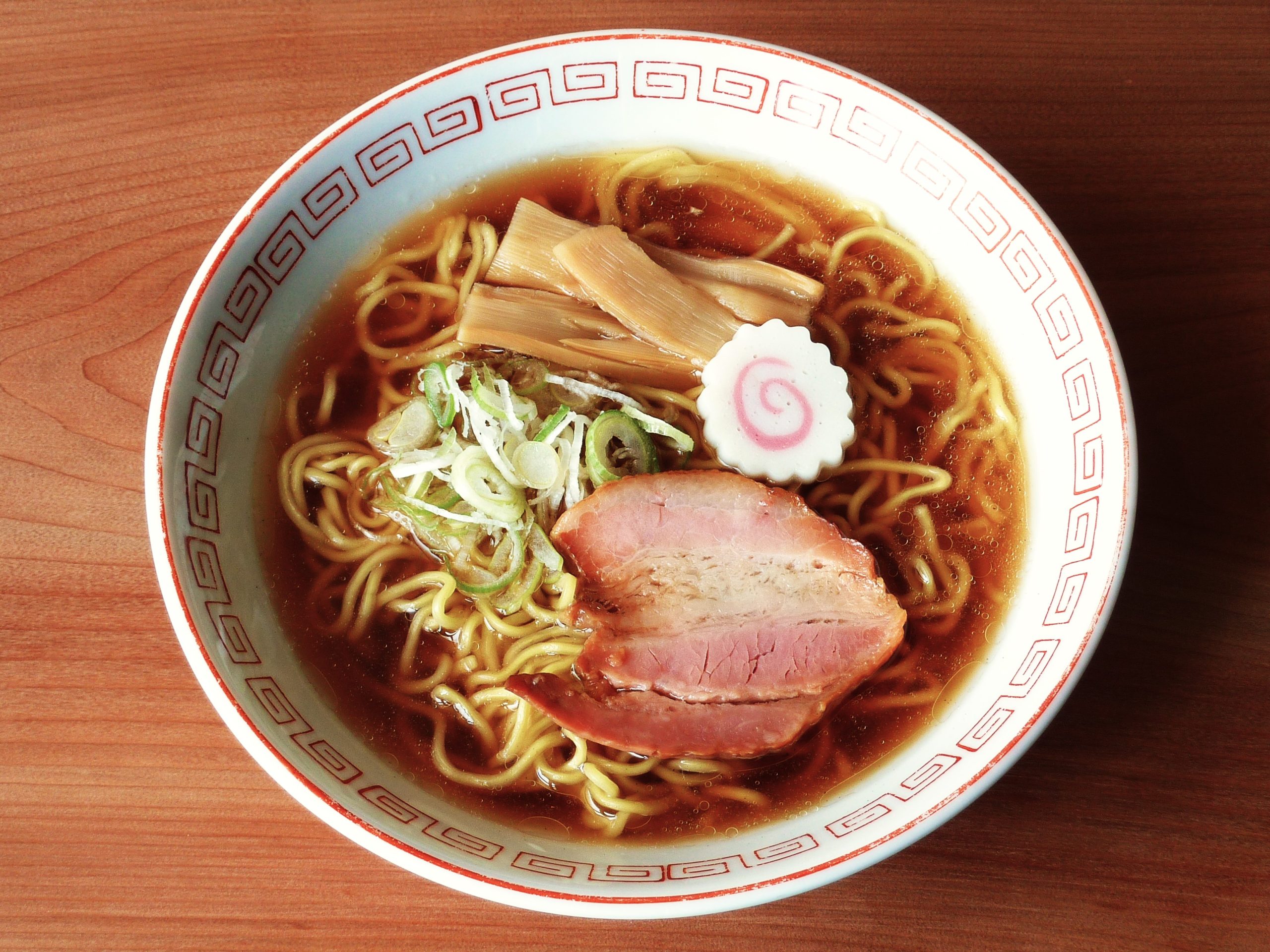
Tonkotsu ramen is the marathon of home cooking projects, and everyone who finishes it says the same thing: worth it. The broth, born in the ramen shops of Fukuoka on Japan’s Kyushu island, is made by boiling pork bones so hard and so long that their collagen, marrow, and fat emulsify into the liquid, turning it opaque, ivory-colored, and almost creamy. Over that broth go springy noodles, slices of soy-braised pork belly, a jammy marinated egg, and a scatter of scallions and nori. Twelve hours of simmering, ten minutes of eating, zero regrets.
What Makes Tonkotsu Different
Most stocks are simmered gently to stay clear. Tonkotsu inverts the rule: the pot boils hard, on purpose, for the entire cook. The violent agitation breaks down fat and collagen from the femurs and trotters and suspends them in the water, which is what creates the milky color and the full, coating body. The style comes from Fukuoka’s Hakata district, where ramen shops serve it with thin, straight, firm noodles and offer kaedama, a refill of noodles for your remaining broth, as standard practice. A bowl of true tonkotsu feels closer to a rich soup course than to a brothy noodle soup, and it converts skeptics on the first spoonful.
The Bones and the Blanch
Pork femurs and trotters carry the collagen this broth needs; ask a butcher or an Asian grocery for them, and have the femurs sawed in half to expose the marrow. Before the long boil comes a cleanup step that decides the final color: cover the bones in cold water, boil hard for ten minutes, drain, and then scrub each bone under running water, removing the dark marrow bits and coagulated blood. Scrub the pot too. It feels fussy, and it is the difference between an appetizing ivory broth and a gray one. From there, fresh water, a hard boil, and hours of patience, topping up the water as it reduces so the bones stay covered.
Chashu: the Pork Belly Crown
While the broth rumbles, the pork belly becomes chashu. Roll the belly into a log and tie it, or braise it flat for simplicity, in a mixture of soy sauce, mirin, and sake with a little of the leek and ginger. Two to three hours at a bare simmer leaves it tender enough to cut with a spoon. Chill it before slicing, because cold chashu slices cleanly where warm chashu shreds. The slices reheat in seconds when the hot broth hits them in the bowl, and a blowtorch or hot pan applied to the slices adds caramelized edges that shops charge extra for.
The Egg Everyone Photographs
Ajitsuke tamago, the marinated soft-boiled egg, is a project within the project and a keeper recipe on its own. Boil the eggs for six and a half to seven minutes, shock them in ice water, peel gently, and soak them in the leftover chashu braising liquid for four to twelve hours. The whites turn the color of tea, the yolks stay molten, and the seasoning penetrates just deep enough. Make extras; they disappear from refrigerators without explanation.
Tare, the Secret Seasoning Layer
Ramen broth is traditionally unseasoned until the moment of assembly. The salt lives in the tare, a concentrated seasoning poured into the bottom of each bowl, and the chashu braising liquid doubles as a ready-made shoyu tare in this recipe. Two to three tablespoons per bowl, adjusted to taste, lets every diner’s soup arrive correctly seasoned regardless of how much the broth reduced. This separation of broth and seasoning is why ramen shops can serve one mother broth in a dozen styles.
Noodles and Assembly
Fresh ramen noodles, sold refrigerated or frozen in Asian markets, outperform dried in bounce and bite; thin straight noodles are the Hakata match for tonkotsu. Cook them firm, a minute less than the package suggests, drain hard, and work fast: tare in the warmed bowl, broth over it, noodles in, then chashu, egg halves, scallions, nori, and a pinch of sesame. Ramen waits for no one. The noodles keep cooking in the hot broth, which is why speed from pot to table is part of the recipe.
Common Questions
Can I shorten the twelve hours?
A pressure cooker gets respectable body out of the bones in about three hours, though the color stays lighter. Below that, the broth simply is not tonkotsu; the long extraction is the dish.
How do I store leftover broth?
It keeps five days refrigerated, where it sets into a wobbly gel, and three months frozen. Freeze it in two-cup portions, one bowl each, and weeknight ramen becomes a fifteen-minute meal.
My broth came out thin. What happened?
Either the boil was too gentle, the time too short, or the bone-to-water ratio too dilute. Keep it at a visible rolling boil, top up with only enough water to cover, and give the femurs and trotters their full time.
Tonkotsu Ramen, originating from Fukuoka in Kyushu, Japan, is famous for its incredibly rich and milky white pork bone broth. The broth is made by boiling pork bones for many hours, sometimes even a full day, until the collagen and fat emulsify into a thick, opaque liquid. This labor of love results in a deeply satisfying and umami-packed soup base. The noodles are typically thin and firm, designed to be quickly cooked and served to maintain their texture. Each bowl is a canvas for toppings, from the melt-in-your-mouth chashu pork to the perfectly marinated ajitama egg and crisp scallions.