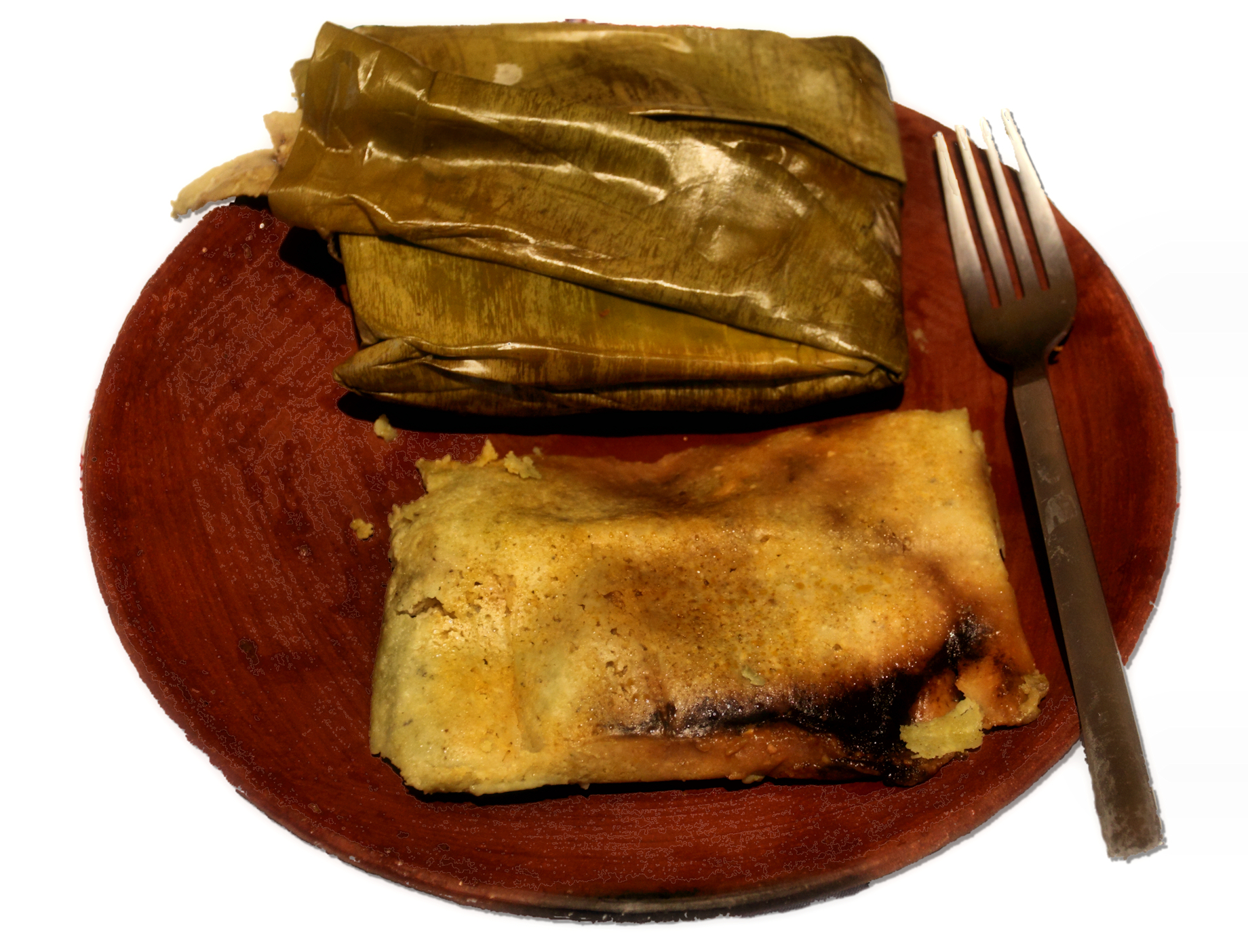
Tamales are little packages of celebration: soft, airy corn masa wrapped around a savory filling, folded into a corn husk, and steamed until the dough is set and fragrant. Unwrapping one at the table is half the pleasure. They take an afternoon, which is why they are traditionally made in company and in quantity, a big steamer going and many hands spreading masa. Master the dough, which is the real craft, and the rest is patient, sociable assembly with a spectacular payoff.
Food Older Than Memory
The tamal is one of the oldest prepared foods of the Americas. The name comes from the Nahuatl tamalli, and the food itself goes back to ancient Mesoamerica, where nixtamalized corn dough steamed in wrappers fed ordinary days and religious feasts alike. That lineage continues: across Mexico, tamales appear in the largest numbers at celebrations, above all at Christmas and on February 2 for Dia de la Candelaria, when tradition assigns the tamal party to whoever found the figurine in the Rosca de Reyes. Wrappers vary by region, corn husks in much of the country, banana leaves in the south, and fillings number in the hundreds.
The Masa Is the Craft
Everything in a tamal depends on the masa. Start with masa harina milled for tamales, coarser than the tortilla grind, or fresh masa from a tortilleria if you are lucky enough to have one. The method matters more than the shopping: beat the lard alone until it is genuinely fluffy and pale, then work in the masa harina, baking powder, salt, and warm broth until the dough is soft, light, and spreadable, beating air in as you go. The traditional test is to drop a small ball of dough into water; when it floats, the masa is ready. Dense, heavy tamales come from under-beaten dough.
The Filling
This recipe fills the tamales with shredded pork in red chile, a classic: simmered pork folded through a sauce of guajillo and ancho chiles until well coated and juicy. Chicken in salsa verde is its green twin, rajas con queso, strips of roasted chile with cheese, is a beloved vegetarian filling, and sweet tamales with raisins and cinnamon-tinted pink masa close many family menus. The filling goes in as a modest spoonful; the masa is the star and the filling its seasoning, not the reverse. Whatever you choose, make it a little bolder than tastes right alone, since the mild masa absorbs seasoning.
Spreading and Folding
Soak the dried corn husks in hot water until pliable, an hour or so, and shake them dry. Spread a thin, even layer of masa over the smooth side of each husk, covering roughly the upper two-thirds, then lay a spoon of filling down the center. Fold one side over, then the other, then fold the pointed tail up, leaving the wide end open. The first few are slow and the tenth is automatic; this is the stage where family batches earn their reputation as social events. Torn husks overlap in pairs, and a strip of husk ties any tamal that refuses to stay shut.
Steaming
Stand the tamales upright in a steamer, open ends up, packed snugly enough to hold each other but not crushed, over simmering water. Cover and steam for sixty to ninety minutes, topping up the water so the pot never dries; a coin dropped in the bottom rattles while water remains and goes silent as a warning. The test for doneness is simple: pull one tamal and open it. When the masa releases cleanly from the husk in one piece, they are done; if it sticks, wrap it back up and give the pot more time. Rest them ten minutes before serving, since the masa firms as it cools slightly.
Serving Tamales
Serve tamales hot in their husks, letting each person unwrap their own, with salsa, crema, and a simple salad or beans alongside; atole or champurrado, the warm corn drinks, are their traditional companions on cold mornings. They keep beautifully: refrigerated tamales re-steam in minutes and taste arguably better the next day, and they freeze for months, which is the point of the big batch. A dozen in the freezer is one of the best breakfasts a kitchen can hold in reserve. Reheat them in the husk, by steam or a hot comal, never sadly in a microwave uncovered.
Common Questions
Can I make tamales without lard?
Yes. Vegetable shortening beats up fluffy the same way, and softened butter or oil-based doughs appear in modern kitchens. Lard gives the traditional flavor and texture, but a well-beaten shortening masa makes excellent, fully vegetarian-friendly tamales.
Why are my tamales dense or gummy?
The masa was under-beaten or the steam ran short. Beat the fat and dough until a small ball floats in water, and steam until the husk releases cleanly. Both tests are old, reliable, and worth the extra minutes they ask.
How long do they keep?
Several days refrigerated and months frozen, wrapped in their husks. Re-steam them straight from the fridge or freezer until heated through. Many people find day-two tamales better than fresh, once the masa has settled and the flavors have knit.
Tamales, from the Nahuatl tamalli, are an ancient Mesoamerican food of corn masa steamed in husks or leaves, still made in big communal batches for celebrations across Mexico.