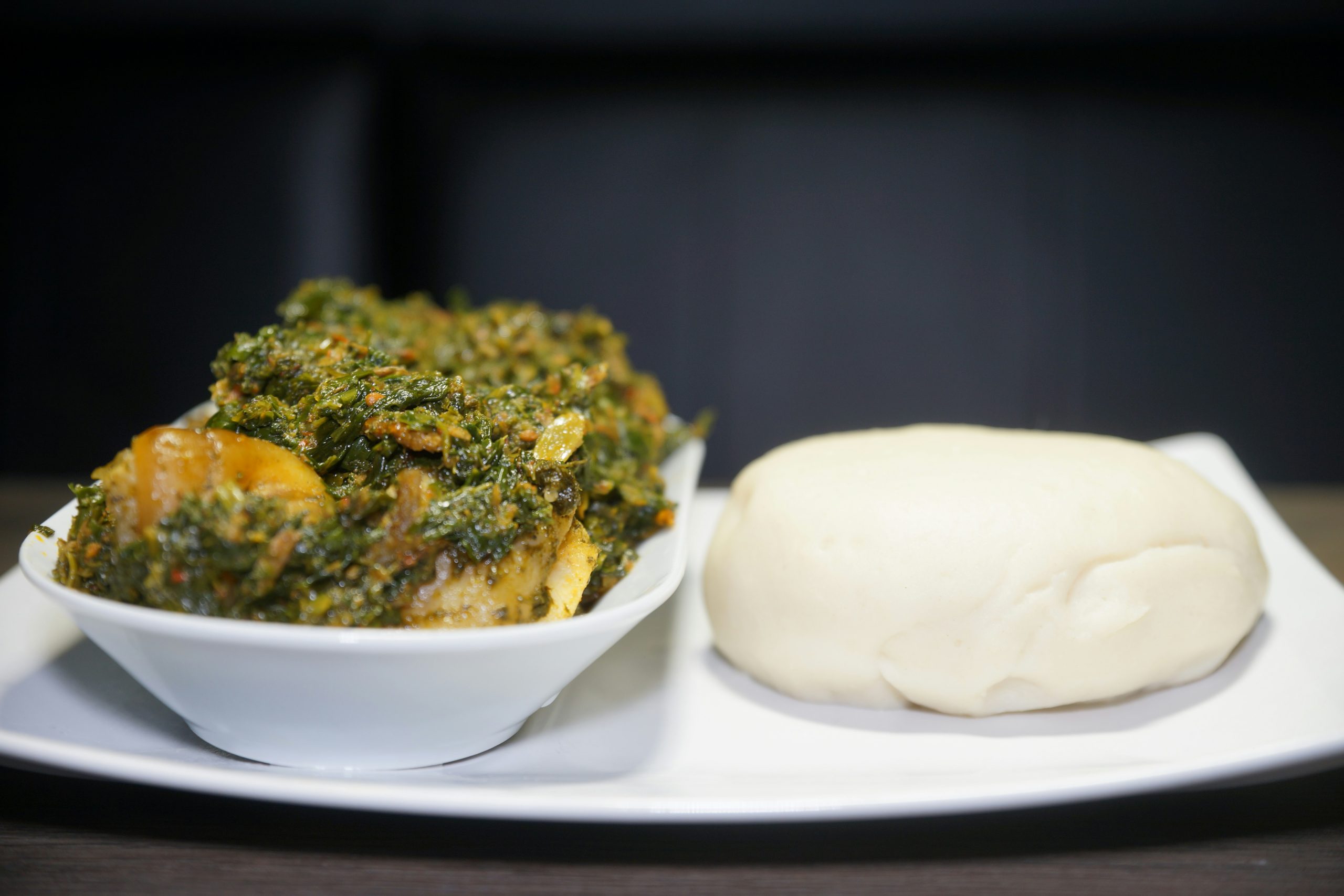
Doro wat is the dish Ethiopians cook when the occasion matters. This slow-built chicken stew, colored brick red by the spice blend berbere and enriched with spiced clarified butter, appears at holidays, weddings, and family gatherings across Ethiopia and Eritrea, and many consider it the national dish. It asks for patience: the onions alone cook for the better part of an hour. What that patience buys is a sauce with astonishing depth, thick enough to scoop with torn pieces of injera, the tangy fermented flatbread that serves as plate, utensil, and side dish all at once.
The Long Onion Cook
The foundation of doro wat is a mass of very finely minced red onions cooked down until they melt into a paste. Ethiopian cooks begin them in a dry pot, with no fat at all, stirring over medium heat as the onions release their moisture and slowly collapse. Only after they soften does the niter kibbeh go in. This dry start concentrates the onion flavor and is one of the techniques that separates doro wat from other braises. Mince the onions as finely as you can manage, or pulse them in a food processor, because visible onion pieces have no place in the finished sauce. Four large onions look like too much in the pot; they are exactly right.
Berbere, the Heart of the Stew
Berbere is the spice blend that defines Ethiopian cooking: dried red chilies ground with garlic, ginger, fenugreek, korarima (Ethiopian cardamom), and a shifting cast of other spices that varies by household. It is hot, aromatic, and slightly bitter in the best way. A quarter cup sounds heavy to cooks unfamiliar with the cuisine, and it is intentional; doro wat carries serious spice. Buy berbere from an Ethiopian market or a good spice merchant, since supermarket versions often run mild and stale. Fry the berbere in the onion and butter mixture for several minutes before any liquid goes in, so the chilies bloom and lose their raw dusty edge.
Niter Kibbeh, Spiced Gold
Niter kibbeh is clarified butter simmered with aromatics, commonly garlic, ginger, korarima, fenugreek, and besobela, a sacred basil grown in Ethiopia. The clarifying keeps it shelf-stable, and the infusion gives everything it touches a warm, herbal richness. It is the cooking fat for most Ethiopian stews. If you cannot buy it, make a quick version at home: melt unsalted butter with smashed garlic, sliced ginger, a cardamom pod, and a pinch of fenugreek, simmer gently for twenty minutes, then strain. Plain ghee works in an emergency, though the stew loses a layer of aroma.
Chicken and the Hard-Boiled Eggs
Tradition calls for a whole chicken cut into pieces and skinned, since skin turns flabby in a stew this long-cooked. A rub of lemon juice on the raw chicken is customary and freshens the meat. The pieces braise in the berbere-onion sauce until they nearly fall from the bone. The hard-boiled eggs are not a garnish; they are essential. Peel them, score a few shallow slits so the sauce penetrates, and let them simmer in the wat for the final fifteen to twenty minutes. Each serving includes an egg stained red and seasoned to the yolk, and in Ethiopian custom the eggs often go to honored guests.
Eating It with Injera
Doro wat is served on injera, the spongy sourdough flatbread made from teff flour. The bread lines a large communal platter, the stew goes on top, and diners tear pieces from the edges to pinch up bites of chicken and sauce; no forks appear. Injera’s mild sourness against the deep heat of the wat is the point of the pairing. Ethiopian restaurants and some international groceries sell fresh injera. Failing that, rice or a soft flatbread carries the stew, imperfectly but happily. A side of cooling yogurt or a simple tomato salad balances the spice.
Make-Ahead and Storage
Like most long-cooked stews, doro wat improves overnight as the berbere settles into the sauce. Refrigerate it for up to four days, keeping the eggs submerged so they stay moist, and reheat gently on the stove. It also freezes well for up to two months; freeze without the eggs and add freshly boiled ones when serving. Many Ethiopian households cook doro wat a day ahead of a holiday for exactly this reason.
Common Questions
How hot is doro wat?
Genuinely spicy, though the long cooking and the butter round the heat into warmth rather than sharpness. Reduce the berbere to two tablespoons for a milder pot, or serve with extra injera and yogurt.
Can I use chicken thighs only?
Yes. Bone-in, skinless thighs are the most forgiving cut for the long braise and many home cooks prefer them to a whole cut-up bird.
Is there a vegetarian version?
Ethiopian cuisine has a rich tradition of vegan stews for fasting days. Misir wat, made the same way with red lentils and oil instead of chicken and butter, is the closest relative and uses this recipe’s technique almost unchanged.
Doro Wat is the national dish of Ethiopia, traditionally served during holidays and special occasions. The foundation of this remarkable stew is an astonishing amount of finely minced onions, which are slow-cooked without oil for hours until they break down into a sweet, dark paste. This base is then enriched with niter kibbeh (spiced clarified butter) and berbere, a complex Ethiopian spice blend featuring chili, fenugreek, cardamom, and cloves. The addition of hard-boiled eggs, scored to absorb the fiery sauce, completes this labor of love.