Growing a beard sounds like doing nothing, and mostly it is. But the gap between a full, healthy beard and a patchy, itchy mess comes down to a handful of choices in the first few weeks. Most of it is patience. Some of it is not quitting during the part that itches.
The First Rule: Do Not Trim Early
The most common mistake is reaching for the trimmer too soon. In the first four to six weeks, leave it alone completely. You cannot judge the shape of a beard that has not filled in, and early trimming almost always takes off length you needed. Put the scissors away and let it grow past the awkward stage before you touch it.
Get Through the Itch
Around week two or three, most people hit the itch, and this is where beards die. The itch is normal: cut hair ends are sharp and the skin underneath is drying out. It passes. Wash the beard, keep the skin under it moisturized, and start using beard oil once there is enough hair to hold it. The oil is for the skin as much as the hair, and it is the single best thing for getting through this phase.
"Most beards are not lost to bad genetics. They are lost to the itch in week three, when the person shaves it off two weeks before it would have filled in."
Genetics Set the Ceiling
Here is the honest part. How thick your beard can get, and where it fills in, is mostly genetic. No oil, supplement, or routine changes your follicles. If your cheeks come in patchy, that is your genetics, and the products promising to fix it are selling hope. What you can do is grow it longer, since a longer beard often covers patches that show at stubble length.
What Actually Helps
A short list of things makes a real difference, and none of them are miracle products.
- Patience: give it a full month or more before judging or shaping
- Beard oil: keeps the skin comfortable and the hair softer
- Washing: a clean beard and skin grow better than a dirty, flaky one
- Sleep, food, and general health: your beard reflects your body
- A brush or comb: trains the hair and spreads oil evenly
The Patchy Cheek Problem
Patchy cheeks are the most common complaint, and there is a simple test. Grow it out for a solid month or two without trimming and see whether the patches fill in as surrounding hair gets longer. Often they do. If after a couple of months the patches are still bare, you have two honest options: wear a shorter, styled beard that works with your growth, or keep it long enough to cover the gaps. Fighting your own follicles is a losing game.
When to Start Shaping
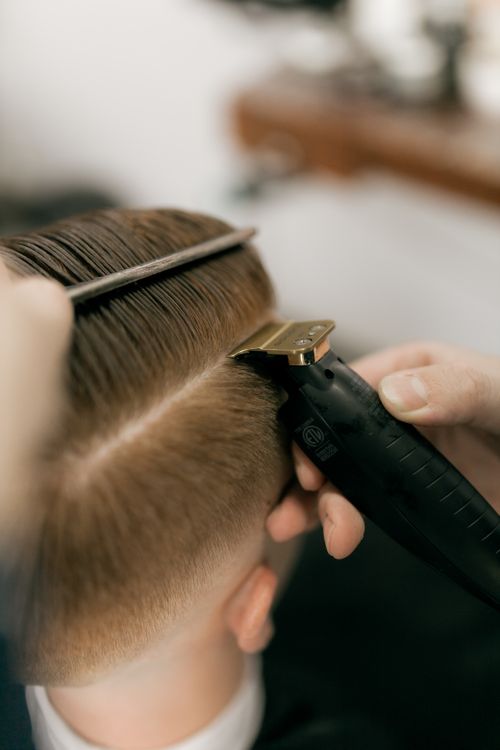
Once the beard has grown in, usually after four to six weeks, you shape it. Set the neckline about two fingers above the Adam's apple, tidy the cheek line lightly, and trim for shape rather than length. Before that point, shaping does more harm than good. After it, a light regular trim keeps the beard looking intentional rather than wild.