A razor is a tool with a sharp edge, and how you clean and store it decides how long that edge lasts and how clean it stays. Most people rinse and toss it in the shower, which is exactly how blades dull and rust early. A couple of small habits double the life of a blade and keep it hygienic.
Why Rinsing Is Not Enough
A quick rinse leaves hair, skin, and shaving cream trapped between the blades, and that gunk both dulls the cutting edge and breeds bacteria. Hard water also leaves mineral deposits that build up over time. To clean a razor properly, rinse it under hot running water, and for a cartridge, swish it and tap it against the sink to knock debris out from between the blades. A soft brush clears anything stubborn.
The Storage Mistake That Rusts Blades
The single biggest thing that kills razor blades is leaving them wet, and the shower is the worst place for that. A blade sitting in a warm, wet shower stays damp between uses, and that constant moisture dulls and rusts the edge fast. The fix is simple: dry the blade after use and store it somewhere dry. This one change often does more for blade life than anything else.
"Blades do not go dull from cutting hair nearly as fast as they go dull from sitting wet in the shower. Dry it and store it dry, and it lasts."
Dry It After Every Shave
After rinsing, shake the water off and dry the blade. Some people gently pat it or run it along a towel in the safe direction, others use a hair dryer on a cool setting for a moment. The goal is a dry edge, because water sitting on the metal between shaves is what corrodes and dulls it. Then store it upright or flat where air can reach it, not in a puddle.
Where to Store It
Store your razor somewhere dry and open to the air, not in the shower and not sealed in a wet case. A stand that holds the razor upright with the head down lets water drain and air circulate. A dry shelf or drawer works too, as long as the blade dried first. The enemy is trapped moisture, so anything that keeps the blade dry between uses extends its life.
Cleaning Different Razor Types
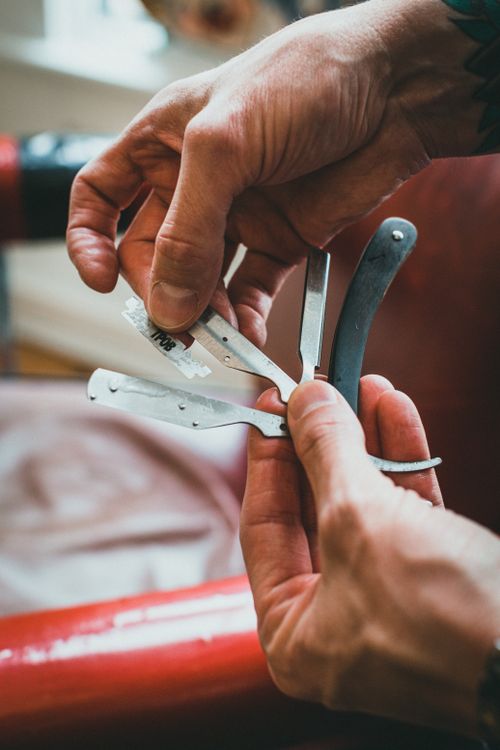
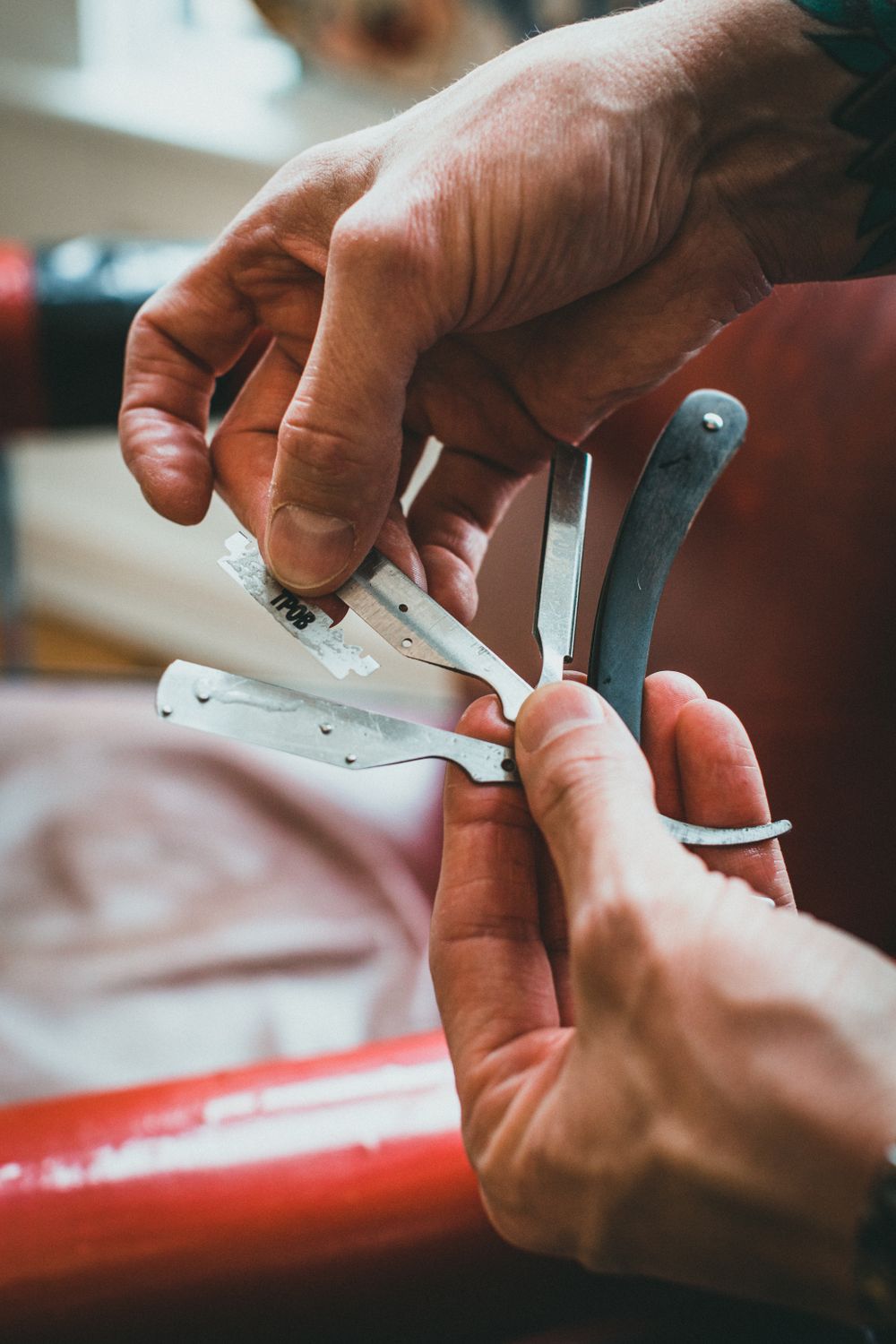
The basics are the same, with small differences. Cartridge razors need debris knocked out from between the blades, which is where buildup hides. Safety razors can be unscrewed and the blade and head rinsed and dried separately, which cleans them thoroughly. Electric shavers have their own routine, usually brushing out the head and using the maker's cleaning method. Whatever the type, clear out the debris and keep it dry.